When a retractable rooftop luxury hotel really earns the skyline
The most compelling retractable rooftop luxury hotel treats the sky as a moving ceiling, not a weather excuse. When a retractable glass roof glides silently away above a hotel rooftop, the entire space shifts from cocooned lounge to open-air terrace in under a minute and the city suddenly feels like part of the room. Guests remember that transformation long after they forget the exact bar menu or the square metres of their suite.
Across New York City, hoteliers have learned that a retractable roof is a programming tool, not just a cover against rain or a hedge against a cold year. The best properties use a glass roof and discreet enclosure systems to stage different moods across the day, from quiet wellness mornings to wedding events that run late without wind or drizzle stealing the scene. This is where climate control becomes design discipline, and where a retractable rooftop luxury hotel can justify its premium rates with genuine skyline views in every season.
Manufacturers such as OpenAire, LITRA and Roll-A-Cover work with architects to integrate each retractable roof into the existing structure of a hotel in a way that respects both façade and neighbourhood. Their motorised systems allow a roof to roll back in segments, so a hotel in NYC can open only part of a rooftop bar area on a blustery evening while keeping the restaurant zone under glass cover. According to project notes and case studies shared by these firms, operators typically specify multiple opening zones to balance wind, views and noise.1 For travellers, that means you can confidently book a table or a room with promised skyline views without gambling on the forecast.
How retractable roofs changed December versus July on the rooftop
Before the rise of the retractable roof, most rooftop venues in hotel NYC properties were essentially three-month propositions. A cold wind across midtown Manhattan or a sudden storm over New York City could empty a rooftop bar in minutes and leave the hotel with idle staff and lost revenue. Now a well-designed enclosure with a clear glass roof and subtle heating elements can keep the same space adaptable and welcoming from January through December, turning what used to be a seasonal amenity into a reliable highlight of the stay.
Engineering data from specialist firms such as SUNEASE Engineering and Mingsun Group shows that shading and glazing in a retractable enclosure can reduce perceived temperature by around eight degrees Celsius on hot days, depending on orientation and glass specification.2 SUNEASE attributes this to a combination of selective coatings and controlled ventilation, while Mingsun’s hospitality reports link the comfort gain directly to longer dwell times at rooftop bars. That cooling effect means a hotel rooftop can host brunch under a partially closed glass cover in July, then rely on the same structure and integrated heaters to create a cosy bar atmosphere in December. Operators report that retractable systems add several usable hours per day to rooftop programming, with case studies from Roll-A-Cover and OpenAire indicating gains of roughly four additional operating hours in shoulder seasons, which translates directly into more chances for guests to enjoy skyline views.3
For travellers, the shift is tangible when you book a retractable rooftop luxury hotel for a winter city break or a summer anniversary. In July, you might sit under an open roof on a warm evening, feeling the breeze while the roof panels stay stacked back above the bar area and the restaurant terrace. In December, the same hotel in New York can close the roof in rolling sections, seal the enclosure and still frame the skyline with clear glass so you feel close to the city without needing a heavy coat, turning a potentially bleak night into a memorable vantage point.
Three retractable rooftop luxury hotels that get it right (and one that does not)
In midtown Manhattan, the Kimberly Hotel has become a reference point for travellers who care about skyline views as much as thread count. Its Upstairs at the Kimberly rooftop level uses a sophisticated glass roof and side panels that slide and fold, turning the hotel rooftop into a flexible venue suitable for breakfast, after-work drinks and late-night wedding events. A member of the management team has described the space as “our four-season living room in the sky,” reflecting how central it has become to the guest experience. When conditions are perfect, the retractable sections roll back to reveal the Chrysler Building, while on cooler nights the enclosure keeps the air still and the noise controlled.
Several hotel NYC addresses have followed a similar path, working with Roll-A-Cover to install custom glass enclosures that respect both architecture and neighbourhood sightlines. Roll-A-Cover’s own case studies highlight projects where the roof can open in stages, so a bar can stay open-air while a restaurant zone remains under covered panels for diners who prefer a calmer environment.3 Guests who book these properties often comment that the skyline views feel curated rather than incidental, because the year-round design anticipates both weather and acoustics and turns the rooftop into a signature amenity rather than an afterthought.
Not every attempt succeeds, and you will feel the difference the moment you step out of the lift. Some New York hotels market a so-called retractable rooftop but actually offer a permanently sealed glass box with minimal ventilation and no meaningful roof movement at all. The air can feel stale, the sound bounces harshly off the glass, and the city becomes a backdrop rather than a living presence, which undermines the promise of a retractable rooftop luxury hotel and leaves guests questioning the premium they paid. Online reviews of such spaces frequently mention “greenhouse heat” and “no fresh air,” useful warning signs when you are comparing options.
Retractable roof versus enclosed terrace pretending to be one
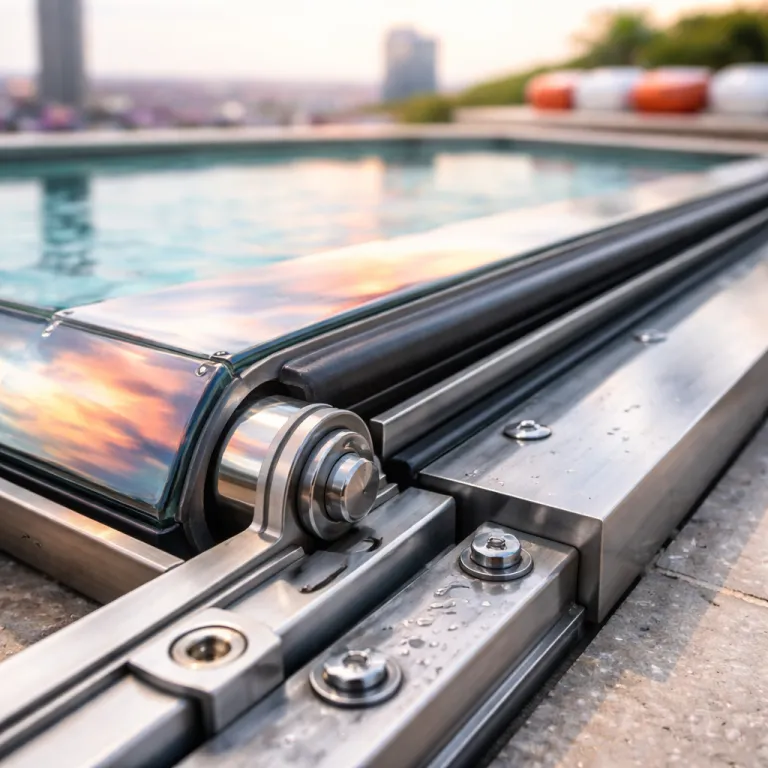
From a distance, a glass roof above a city bar can look convincingly high-tech, but the details reveal whether it truly retracts. A genuine retractable roof will show visible tracks or pivot points where the roof panels roll or slide, and staff will be able to explain how the enclosure opens in sections depending on wind and rain. If the structure feels fixed, with no joints or mechanisms, you are probably in an enclosed terrace that only borrows the language of a retractable rooftop luxury hotel.
Ask the team when the roof was last opened and how long it takes to move from fully closed to fully open. In a well-engineered system from a specialist such as Roll-A-Cover, the roof can roll back smoothly in a few minutes, allowing the hotel rooftop to shift from protected lounge to open terrace without disrupting service.3 OpenAire’s project documentation notes that many hotels schedule partial openings at set times of day, which is a good sign that the mechanism is actively used.1 If the answer is vague or the roof has not moved in a year, you may be looking at a space flexible in name only, which matters if you booked specifically for fresh air and unfiltered skyline views.
Another tell lies in how the enclosure meets the parapet and floor, because a true retractable roof system will integrate drainage, insulation and acoustic seals. When these details are handled well, a hotel in NYC can offer year-round use of its rooftop bar and restaurant without cold drafts or intrusive street noise. When they are neglected, you will notice condensation on the glass, temperature swings between tables and a general sense that the year-round promise was more marketing than meaningful design, especially on days when the weather changes quickly.
Design tension, comfort engineering and what to ask before you book
The most interesting retractable rooftop luxury hotel projects embrace the tension between full exposure and protection rather than trying to hide it. Designers now treat the retractable roof as a moving façade element, balancing open sky, glass cover, wind management and acoustic control so that each zone of the rooftop feels intentional. Invisible wellness features such as circadian lighting, biophilic planting and low-emission materials quietly support this, making the bar area and restaurant feel calm even when the city hums below and the roof is in motion.
Heating and airflow are where engineering either supports romance or undermines it for couples planning a stay. Look for hotels that mention specific features in their retractable systems such as zoned heaters, wind screens and acoustic panels between the rooftop and the rooms below, because these details protect both ambience and sleep. Mingsun Group’s hospitality analysis notes that properties investing in acoustic separation between rooftop venues and guestrooms tend to see fewer noise complaints and stronger review scores.4 When a hotel in New York City invests in this level of design, it can host lively wedding events on the roof year-round while keeping guest rooms tranquil and the skyline views crystal clear through the glass roof.
Before you book, ask direct questions about how the hotel rooftop operates across the seasons and at different times of day. Clarify whether year-round access means the roof can actually open in winter, or simply that the enclosure stays closed while the bar serves hot cocktails under a static glass roof. If you are considering a stay at a property such as the Kimberly Hotel or another New York address on Lexington Avenue or a similar Manhattan corridor, ask whether Upstairs-style spaces are genuinely adaptable or only partially so, and learn how often the retractable mechanism is used in practice so you can match expectations to reality.
Iconic New York examples and how Roll-A-Cover shaped the skyline
New York City has become a living laboratory for the retractable rooftop luxury hotel, with properties from Times Square to Union Square experimenting with glass and steel above the cornice line. Early adopters such as Refinery Hotel proved that a carefully engineered retractable roof could extend rooftop usage by several hours per day without compromising design.3 In interviews, managers at similar properties have noted that the rooftop quickly becomes “the most photographed room in the hotel,” underlining how central these spaces are to branding. More recent projects, including major renovations at established hotel NYC addresses, show how far the technology and aesthetics have evolved.
Roll-A-Cover has played a central role in this shift, supplying custom glass enclosures and roll cover systems that integrate with both historic masonry and contemporary towers. Its work with hotels has shown that a roof can roll back in sections to frame specific skyline views, turning a generic bar area into a series of intimate vignettes over the city. OpenAire’s luxury hotel case studies echo this, emphasising how coordinated lighting, planting and retractable structures can create distinct moods from breakfast to late-night cocktails.1 When combined with thoughtful lighting and planting, these adaptable structures feel less like engineering and more like a quiet stage set for couples watching the city change colour.
For travellers, the practical takeaway is clear when you plan a stay in New York City or any dense urban centre. Prioritise hotels that treat the retractable roof as part of the overall guest journey, from breakfast under a soft morning glass cover to nightcaps beneath an open sky. When you learn to read the details of a hotel rooftop design, you will quickly distinguish between properties that simply added an upper-level structure for extra revenue and those that turned their highest floor into the emotional heart of the stay, with the skyline as a constant companion.
Key statistics on retractable rooftop hotel performance
- Engineering studies from firms such as SUNEASE Engineering indicate that shading and glazing in retractable rooftop enclosures can reduce perceived temperature on hot days by around 8 °C, making summer rooftop dining significantly more comfortable. SUNEASE attributes this to a mix of low-emissivity glass, operable vents and strategic shading elements.2
- Hotels that install well-designed retractable roofs typically gain around 4 additional usable rooftop hours per day, according to case studies shared by manufacturers including Roll-A-Cover and OpenAire, which increases both bar and restaurant revenue potential. These figures are based on before-and-after operating logs from properties in New York and other major cities.13
- Industry data from Mingsun Group and similar analysts indicates that integrating retractable rooftop spaces into hotel design can raise guest satisfaction scores and support higher occupancy, especially in dense urban markets. Mingsun’s reports link the effect to stronger social-media visibility and higher perceived value for special-occasion stays.4
- Independent hospitality cost surveys suggest that adding a retractable rooftop enclosure can require a capital investment in the low- to mid-seven-figure range for a full-service hotel, depending on size and structural complexity, with payback periods often tied to increased food-and-beverage revenue and event bookings rather than room rates alone.5
Essential questions travellers ask about retractable rooftop luxury hotels
Which hotels actually have a true retractable rooftop rather than a fixed glass box ?
Only a subset of city properties offer a genuine retractable rooftop, where the roof and often the side walls physically move to open the space to the air. In New York, examples include well-known addresses that have partnered with specialist manufacturers such as OpenAire, LITRA or Roll-A-Cover to install motorised glass enclosures.1 When in doubt, ask the hotel whether the roof panels slide or fold, how often they are opened and whether guests can expect open-air conditions in both warm and cool seasons, rather than just a static conservatory.
What are the real benefits of choosing a retractable rooftop luxury hotel for a city break ?
Choosing a retractable rooftop luxury hotel gives you reliable access to skyline views and outdoor feeling regardless of the weather. The movable roof allows the hotel rooftop to operate year-round, so you can enjoy breakfast, cocktails or a romantic dinner with the city as a backdrop in both July and December. For couples, this means fewer compromises on atmosphere and a higher chance that the most memorable moments of the stay will happen under the changing sky rather than in a generic indoor bar, even if the forecast shifts at the last minute.
How can I check if the rooftop experience will disturb my room at night ?
Noise from rooftop bars can be a concern, especially in dense districts such as midtown Manhattan or central New York City. Before you book, ask the hotel which floors sit directly below the rooftop and whether acoustic insulation or sound-dampening panels were installed as part of the retractable roof project. If you are sensitive to noise, request a room several floors below the rooftop level or on the opposite side of the building while still planning to visit the rooftop early in the evening for the best skyline views and a calmer atmosphere.
What should I ask the hotel before booking for a winter stay with promised rooftop access ?
When planning a winter trip, confirm whether year-round rooftop access means the roof can open in cold weather or simply that the bar operates under a closed glass roof. Ask about heating, wind protection and whether blankets or warm seating are provided, because these details determine how long you will actually want to linger. It is also worth checking whether any wedding events or private functions are scheduled on your dates, as these can limit guest access to the rooftop even when the weather and the retractable roof system are both cooperating, and may affect the overall ambience of the hotel.
Further reading from trusted industry sources
- Mingsun Group – analysis of hotel bar design, guest satisfaction metrics and the financial impact of year-round rooftop programming, including acoustic performance and review-score trends.4
- SUNEASE Engineering – technical reports on shading, glazing, thermal performance and comfort modelling for retractable structures, with data on perceived temperature reductions and energy use.2
- OpenAire – case studies on integrating retractable roofs into luxury hotel architecture worldwide, including several New York City projects that document operating hours, seasonal usage and design constraints.1
- Independent hospitality cost and permitting studies – third-party research on capital expenditure, structural upgrades, and zoning or rooftop-assembly regulations that affect retractable rooftop hotel projects in dense urban markets.5
Sources: 1OpenAire and Roll-A-Cover published hotel case studies and project documentation; 2SUNEASE Engineering technical briefs on retractable enclosure comfort modelling; 3Roll-A-Cover and similar manufacturers’ before-and-after operating logs for rooftop venues; 4Mingsun Group hospitality design and guest-satisfaction reports; 5Independent hospitality industry surveys on rooftop-bar capital costs, permitting and return on investment.