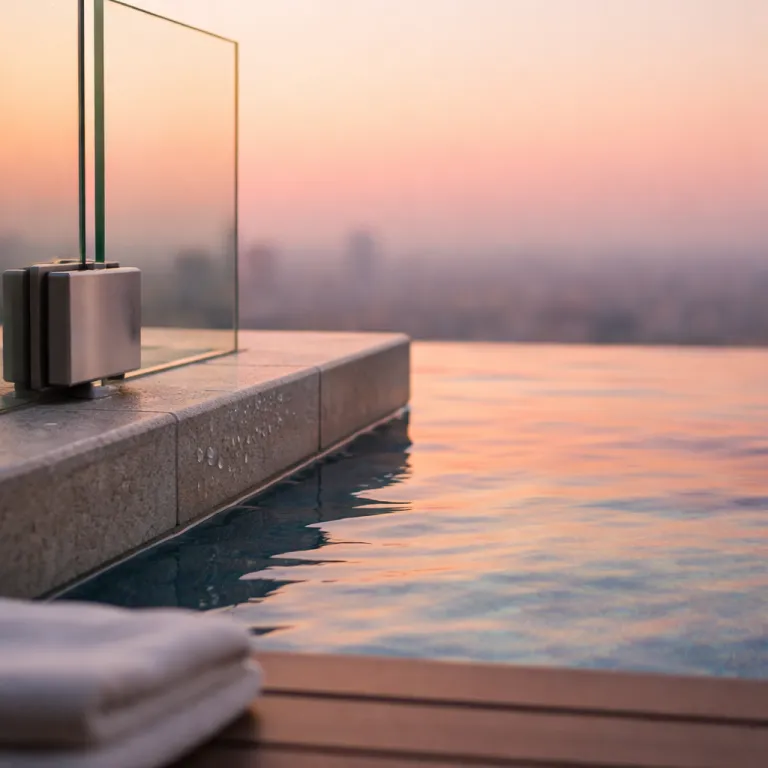
How world luxury rooftops are changing the skyline for couples
World luxury on a rooftop is no longer just about height. The most interesting luxury hotel rooftops now treat the terrace as a stage where the city performs, and where every service detail is choreographed around couples who measure time in sunsets rather than check in hours. In this part of the industry, the question is not whether a hotel has a rooftop, but whether that rooftop can genuinely deliver a high end experience that feels both exclusive and quietly intimate.
Across the world, luxury brands and independent properties are collaborating with chefs, mixologists and designers to turn roofs into elevated living rooms for two. These collaborations often bring together a hotel operated by a global group and a sensitively restored heritage building, creating a layered sense of place that couples feel the moment they step out of the elevator and into the sky. For travelers using a premium booking website for rooftop hotels, the promise is simple yet ambitious: curated access to the most desirable terraces where the city’s story unfolds in real time.
The world luxury segment is also being reshaped by international recognition and hotel awards that now include rooftop specific categories. When a luxury hotel wins a major hotel awards title for its rooftop, it signals to couples that the service, design and cocktail program have been judged against the best in the world, not just the best in one city. As the global luxury goods market expands and the future of travel spending tilts toward experiences, rooftops have become the place where the industry tests new ideas before rolling them out at ground level, from new tasting menus to members only sunset rituals.
Europe’s new rooftop classics for world luxury couples
Europe remains the continent where world luxury rooftops feel most cinematic. In London, the planned Waldorf Astoria London Admiralty Arch is expected to anchor its luxury hotel credentials around a sixth floor terrace that looks straight down The Mall, turning state processions into a private show for hotel members and guests. Here, collaborations with chefs such as Clare Smyth and Daniel Boulud are set to elevate the experience beyond views, illustrating how the right culinary team can turn a simple terrace into an exclusive world above the city.
Further south, the forthcoming Conrad Athens Ilisia is preparing a 400 square metre rooftop mega suite that reads like a manifesto for future rooftop living. Couples can expect a pre arrival ritual that feels almost like joining a private members club, with exclusive access to a pool, outdoor dining and a skyline that stretches from Lycabettus Hill to the sea. This is where world luxury meets residential comfort, and where the line between hotel service and private apartment life becomes intentionally blurred over time through personalised butler service and flexible check in rituals.
In Italy, Six Senses Milan and lakeside addresses such as Mama Shelter Lake Como are rethinking what top luxury means in historic and resort settings. Rather than chasing only international recognition through awards, these hotels focus on tactile details: the feel of pre-owned stone under bare feet, the way the bar équipe adjusts lighting as the Duomo or the lake changes colour. For couples booking through a curated rooftop platform, Europe offers a spectrum of networking opportunities with the city itself, from Milanese aperitivo rituals to late night conversations under the Athenian sky, with clear notes on dress codes, reservation policies and minimum spend where relevant.
Americas rooftops where the city becomes part of the room
The Americas approach world luxury rooftops with a more extroverted energy. In major North and South American cities, the best luxury hotel rooftops treat the skyline as both décor and audience, inviting couples to move between quiet corners and more social spaces as the night evolves. Here, service is about reading the room: knowing when a couple wants to join the world at the bar and when they prefer to retreat to a semi private cabana with nothing but the city lights for company.
Top luxury properties across the Americas are also experimenting with collaborations that mirror the fashion and spirits industry. Partnerships with luxury brands from groups such as LVMH, Kering or Richemont bring Champagne houses, design studios and watchmakers onto the roof, creating exclusive events where members can learn about craftsmanship while watching the skyline shift. For couples, these collaborations turn a simple drink into a layered experience, and for hotels they create networking opportunities that extend far beyond a single stay, often supported by invite only mailing lists and tiered membership benefits.
On a practical level, couples using a premium rooftop booking website should look for clear information about sunset orientation, wind patterns and seasonal programming. The most serious world luxury rooftops in the Americas publish detailed data about terrace size, seating layouts and even pre dinner cocktail timings, so guests can plan their time with precision. As a rule of thumb, west facing terraces are ideal for sunset, while south facing decks can offer softer light for long dinners. When a hotel invites guests to enter awards style loyalty programs or member events on the roof, it signals a commitment to building a community around the terrace, not just filling tables for one busy season.
Middle East rooftop collaborations that redefine exclusive access
The Middle East has become a laboratory for world luxury rooftops that push scale and spectacle. Cities such as Dubai treat the rooftop as a vertical beachfront, where infinity pools, fire pits and open air lounges stack up above the desert and the Gulf. For couples, the appeal lies in the contrast: one moment you are in a cooled, marble lined lobby, the next you are stepping into warm night air with the entire world of towers and highways glittering below.
In this region, luxury hotel rooftops often form part of larger collaborations between developers, luxury brands and hospitality groups. A single tower might host a pre-owned art collection, a Michelin starred restaurant and a members only rooftop club, all connected through a shared design language and service philosophy. When couples join world level loyalty programs here, they are effectively joining a global network of rooftops, with exclusive access to events, tastings and hotel awards celebrations that travel from city to city and often follow major cultural calendars.
For travelers, the key is to separate genuine world luxury from simple height and hype. Look for rooftops where the équipe talks about wind direction, shade and privacy as seriously as they talk about Champagne labels, and where international recognition has been earned through consistent service rather than one viral photo. As the regional industry matures, expect more properties to invite guests to enter awards style feedback programs, turning couples into active members of a community that helps shape the future of rooftop design and experience through detailed post stay reviews and repeat visit data.
Asia Pacific skylines and the future of rooftop world luxury
Asia Pacific now leads the global luxury goods market, and its rooftops reflect that confidence. Shanghai, Singapore and key resort islands are setting the pace for world luxury terraces that feel both technologically advanced and deeply rooted in local culture. For couples, this means a choice between high rise pools that glow above financial districts and low slung rooftops where lanterns, gardens and pre-owned timber create a softer, more intimate atmosphere.
NoMad Singapore, for example, is expected to bring a New York sensibility to Southeast Asia, blending a strong cocktail program with a rooftop that frames the city’s tropical density. In Vietnam, the planned Fairmont Hanoi is likely to use its rooftop to connect French heritage with a fast moving local skyline, offering couples an experience where past and future share the same horizon line. Across the region, hotel teams are using AI powered market research and data analysis to learn how couples actually use rooftop spaces over time, then adjusting layouts, music and lighting accordingly to keep both privacy and social energy in balance.
Resort destinations such as the future Four Seasons Mykonos and Cape Town EDITION, while technically outside Asia Pacific, are part of the same global conversation about how rooftops can extend the beach or the bay into the sky. Couples booking through a curated rooftop platform should pay attention to how each luxury hotel describes its terrace: whether it is framed as a bar, a garden, a living room or a members club. The language reveals the service philosophy, the type of networking opportunities on offer and the level of exclusive access that truly defines world luxury in this part of the world, from complimentary sunset tastings to priority cabana reservations.
How to use rooftopstay.com to curate your own world luxury circuit
For couples who want one reliable reference instead of ten listicles, a specialized booking website for rooftop hotels becomes part of the journey. On rooftopstay.com, the mission is clear: to act as a definitive guide to world luxury hotel experiences, with every rooftop evaluated for orientation, privacy, cocktail craft and the way the city performs from that height. This is not about ranking driven content, but about giving travelers the tools to build their own circuit of top luxury rooftops across continents.
When you browse properties such as the Waldorf Astoria London Admiralty Arch, Conrad Athens Ilisia or Cape Town EDITION, pay attention to how each listing describes the rooftop’s time based character. Does the terrace work best at sunrise, golden hour or late night, and how does the service adapt as the light changes? Articles like elegant stays at SHG Hotel Verona for refined city breaks show how a single property can be read through its rooftop, its neighborhood and its role in the wider industry, with concrete notes on check in times, cancellation policies and minimum stay requirements.
As the global luxury market grows toward its projected future value, couples can expect more hotels to join world level collaborations, from fashion capsules on the roof to hotel awards ceremonies held under the stars. The most interesting properties will invite guests to become active members of this ecosystem, offering networking opportunities with chefs, designers and fellow travelers who share an obsession with the skyline. In that sense, every booking becomes more than a room reservation: it is a way to enter awards worthy experiences and to participate in the evolving story of world luxury rooftops, with each stay adding data that helps refine future recommendations on rooftopstay.com.
Luxury collaborations, awards and the business of rooftop prestige
Behind every memorable rooftop evening lies a serious business strategy. The world luxury rooftop segment sits at the intersection of hospitality, fashion, spirits and real estate, and the most successful hotels treat their terraces as strategic assets rather than decorative extras. For couples, this translates into rooftops where every element, from the pre dinner playlist to the glassware, has been chosen to support a coherent story.
Collaborations with luxury brands are central to this story, especially when they lead to international recognition through respected hotel awards. A rooftop that hosts a Cartier watch preview, a Moët & Chandon tasting or a Gucci capsule event is not just borrowing prestige; it is positioning itself as a member of a global cultural network. When hotels invite guests to join world level loyalty programs linked to these events, they are offering more than points; they are offering exclusive access to a calendar of experiences that repeat across cities and time zones and often include priority booking windows.
Market research helps explain why this matters. Recent analysis of the global luxury goods market, including reports from Grand View Research and IMARC Group, notes that it was valued at around 390.17 billion USD in the mid 2020s, with projections suggesting it could reach approximately 579.26 billion USD by the end of the decade and that Asia Pacific accounts for close to 39.8 percent of market share. For couples, the practical takeaway is simple: the industry has every incentive to keep investing in better rooftops, more thoughtful service and deeper collaborations. Choosing hotels that treat the rooftop as a serious part of their identity, rather than an afterthought, is the most reliable way to secure a top luxury experience that will still feel relevant in the future.
Key figures shaping world luxury rooftop travel
- The global luxury goods market was valued at about 390.17 billion USD in the mid 2020s, underlining the financial strength behind world luxury hotel investments on rooftops, according to industry summaries of the Grand View Research Global Luxury Goods Market report.
- Projections indicate the market could reach roughly 579.26 billion USD by the end of the decade, suggesting that luxury hotel rooftops will see continued capital for design upgrades and new collaborations, based on the same Grand View Research outlook.
- Asia Pacific holds approximately 39.8 percent of the global luxury goods market share, which helps explain why cities such as Shanghai and Singapore are leading the next wave of rooftop hotel openings, as highlighted in IMARC Group coverage of the Luxury Goods Market.
Frequently asked questions about world luxury rooftop hotels
What is the current value of the global luxury goods market and why does it matter for rooftop hotels ?
The global luxury goods market is valued at around 390.17 billion USD according to recent industry research, and this scale of spending supports major investments in luxury hotel rooftops, from design collaborations to high level service training. When couples choose a rooftop focused property, they are benefiting from an industry that has both the capital and the incentive to keep improving skyline experiences.
Which region currently leads the luxury goods market and how does that influence rooftop destinations ?
Asia Pacific leads the luxury goods market with an estimated 39.8 percent share, and this dominance is visible in the ambition of rooftop projects in cities such as Shanghai, Singapore and key resort hubs. Travelers who prioritize world luxury rooftops should expect many of the most innovative terraces, suites and sky pools to appear first in this region before the concepts spread globally.
What are the projected growth trends for the luxury market and how will they shape future rooftop stays ?
Forecasts suggest the luxury goods market could reach approximately 579.26 billion USD by the end of the decade, which points to sustained growth in high end travel and hospitality. For couples, this means more luxury hotel openings with serious rooftop concepts, more collaborations with luxury brands and a wider choice of world luxury terraces across continents, often with clearer information on booking windows, cancellation terms and member only events.