Why the quietest rooftops often deliver the richest stays
A discreet rooftop luxury hotel rarely advertises its skyline secrets loudly. These hotels understand that the best city views feel different when you reach them through a hushed corridor rather than a crowded public rooftop bar with a queue at the lift. For couples, that difference can turn an ordinary hotel stay into a private ritual above the city.
In this quieter model, the rooftop is designed first for in house guests, not for the passing bar crowd that searches for the best rooftop party in every city. Management treats the roof top as an elevated extension of the dining room and spa wellness areas, so the atmosphere feels closer to a private club than a nightlife venue with loud music and constant table turnover. The result is a style of hotel luxury where a rooftop drink is part of a seamless stay, not a ticketed event with strangers photographing every angle of the view.
Industry data shows that only a minority of hotels in major American cities operate rooftop bars, and many of those spaces are open to the public with aggressive marketing. By contrast, the discreet rooftop luxury hotel keeps capacity intentionally low, often around a few dozen guests, and relies on resident demand rather than social media promotion to fill seats. This approach favours couples who want true luxury in the form of space, silence and unhurried service rather than the loud promise of the best rooftop party in town.
How to spot a discreet rooftop before you book
Finding a discreet rooftop luxury hotel requires reading between the lines of the property description. You will rarely see the words rooftop bar in the headline, but you might notice subtle references to city views from an upper level lounge or a private sky bar reserved for residents. When a hotel mentions a seasonal terrace or a year round roof top lounge without a public reservation link, you are likely looking at a space designed for guests first.
Start by checking the official hotel website rather than only relying on booking platforms, and look carefully at the dining and bar sections. Phrases such as intimate rooftop lounge for residents, private rooftop pool for hotel guests or design led terrace with panoramic city views usually signal a quieter, more controlled environment. If the property is part of a group known for hotel luxury, such as certain Aman, Rosewood or traditional Belmond hotels, the absence of loud rooftop marketing can be a deliberate choice to protect the guest experience.
European heritage hotels in Paris, London or Vienna often follow this model, where access to the rooftop restaurant or rooftop bar is quietly gated by a room key rather than by a velvet rope. Before you book, email the concierge and ask whether any upper floor bar, dining room or spa wellness deck is reserved for residents only, and whether outside visitors must order in advance or be accompanied by a guest. For a curated list of properties that follow this philosophy worldwide, consult a specialist filter such as the luxury world rooftop hotels guide on Rooftopstay, which highlights hotels where altitude is treated as an amenity rather than a marketing slogan.
Case studies: when the rooftop belongs to residents
Some American hotels illustrate how a discreet rooftop luxury hotel can sit in the middle of a busy city yet feel almost private. In SoHo, Hotel Hugo hosts a skyline space that prioritises in house guests, with a capacity closer to a residential terrace than a public sky bar, and a focus on crafted cocktails rather than high volume service. Across Manhattan, The Empire Hotel uses its rooftop areas to frame city views for residents, keeping the atmosphere closer to a calm rooftop lounge than a destination party venue.
Chicago offers further examples, where The Gwen, Hotel Lincoln and The Robey integrate rooftop experiences into their overall design led approach rather than spinning them off as separate nightlife brands. At The Gwen, the art deco heritage of the building informs both the rooftop drink menu and the layout of the outdoor dining room, so couples can enjoy signature cocktails while still feeling anchored to the hotel’s architectural story. Hotel Lincoln and The Robey both use their rooftops to showcase the city and nearby parks, with music levels, lighting and seasonal menus calibrated for conversation rather than spectacle.
Operators who favour this model often rely on a mix of exclusive guest access, limited public entry and reservation based seating to keep numbers controlled. They work with local distilleries and regional chefs to create rooftop restaurant menus that feel rooted in the city, while maintaining year round comfort through heaters, windbreaks and thoughtful seating. For couples comparing options, an in depth review platform such as Rooftopstay’s analysis of how the all inclusive rooftop minibar reshapes the upper floor stay can help decode which hotels genuinely prioritise residents over external bar traffic.
Design, service and the art of staying under the radar
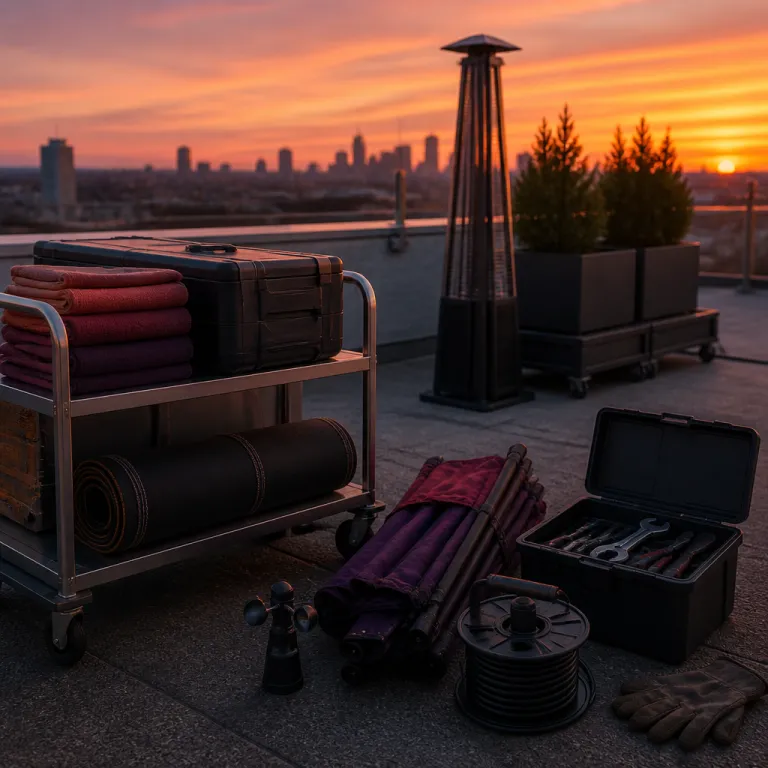
The architecture of a discreet rooftop luxury hotel rarely shouts for attention from the street. Instead, the design led choices reveal themselves once you reach the upper floors, where a low parapet, carefully placed planters and warm materials frame the view without turning it into a stage. Couples notice the difference immediately, because the focus shifts from being seen to quietly watching the city.
Inside these hotels, the rooftop lounge often flows naturally from an indoor dining room or bar, so the transition from aperitif to rooftop drink feels effortless. Service teams are trained to manage both spaces as one continuous experience, guiding guests from spa wellness appointments to sunset cocktails and then to late evening dining without ever making the rooftop feel like a separate venue. Menus tend to be seasonal rather than trend driven, with small plates designed for sharing and signature cocktails that reference the surrounding city or nearby hills.
Lighting and sound are handled with similar restraint, avoiding the nightclub style music and bright signage that define many public rooftop bars. Instead, ambient lighting and curated playlists keep the mood low key, allowing the city views to provide most of the drama. When this approach works, the rooftop becomes a natural extension of hotel luxury, where couples can order another drink or a final dessert without feeling rushed by standing crowds or timed seatings.
Practical booking tactics for couples who value quiet altitude
Securing a room in a discreet rooftop luxury hotel starts with asking precise questions before you commit. When you contact reservations, check whether the rooftop bar, rooftop pool or rooftop restaurant is open to the public, and whether outside guests can visit without a room key or a concierge note. The more the hotel emphasises resident priority and controlled access, the more likely you are to enjoy a calm atmosphere on the roof top.
Timing matters as well, especially for couples planning a romantic stay around a specific month such as June or a particular celebration. Many hotels operate their outdoor spaces on a seasonal schedule, even if the property itself is open year round, so it is essential to confirm whether the rooftop lounge or sky bar will be fully set up during your visit. Ask whether there are any special events, private bookings or music nights that might affect access, and whether residents can still order drinks and light dining during those times.
When you arrive, treat the rooftop as part of your overall hotel experience rather than a separate attraction to be ticked off. Speak with the concierge about the best hours for quieter city views, and whether any spa wellness packages include a rooftop drink or a reserved table in the dining room overlooking the city. For couples who value privacy, the cocktail crowd that never learns the rooftop exists is often the crowd you are happy not to share your view with, and that is precisely the promise of a well run discreet rooftop luxury hotel.
FAQ
Are hotel rooftop bars usually open to the public or only to guests ?
Some are exclusive to guests; others allow public access with reservations. Discreet rooftop luxury hotels tend to prioritise residents, often using room keys or concierge lists to manage entry. Always check the specific access policy before you book if privacy matters to you.
Do rooftop bars and lounges operate all year round ?
Many do, with seasonal adjustments and weather considerations. In cooler months, hotels may enclose part of the rooftop lounge or reduce hours, while keeping limited seating for in house guests. Confirm the year round schedule directly with the property, especially if your stay falls outside peak summer.
How can I tell if a rooftop space will feel crowded or calm ?
Look for clues such as average capacity, reservation requirements and whether the hotel markets the rooftop heavily to non residents. A smaller guest count, mention of exclusive access and limited public promotion usually indicate a quieter experience. Reading detailed reviews that focus on atmosphere rather than only on views can also help.
Is there usually a dress code for a discreet rooftop luxury hotel ?
Often, smart casual attire is required; check specific venue policies. Properties that position their rooftop as an extension of the main dining room or sky bar may expect the same standards as their primary restaurant. When in doubt, ask the concierge, who can advise on what feels appropriate for both the bar and any rooftop restaurant.
Should I reserve rooftop seating in advance as a hotel guest ?
Reserve in advance. Check seasonal availability. Dress code may apply. Even when a rooftop is primarily for residents, peak sunset hours and limited tables mean that couples benefit from planning ahead, especially for special occasions or when aiming for the best city views from the property.