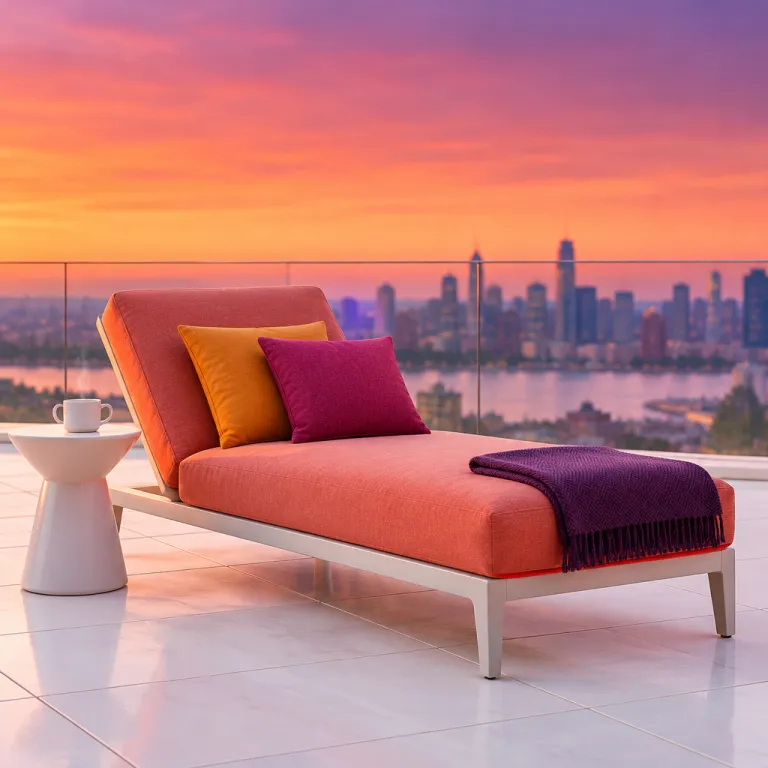
The winter sun rooftop belt: where terraces never close
When rooftop hotels in northern Europe pull the furniture inside for winter, a different map of the world lights up in gold. The true winter-sun rooftop belt stretches in a broad arc from Dubai to the Caribbean, where the terrace is not a seasonal extra but the main stage and the temperature in the coolest month still invites bare feet by the pool. For couples planning a stay built around sunsets and skyline views, this belt offers some of the best places to trade grey European winter skies for clear horizons and long, sunny days.
Think of Dubai and Abu Dhabi first, where winter sun feels almost designed for rooftop pools and late afternoon cocktails. According to the UAE National Center of Meteorology, average daytime temperatures between December and February usually sit between 22 and 28 degrees Celsius, which is the best time for rooftop swimming without the furnace heat of summer and makes these cities some of the most comfortable winter sun destinations for travellers who want to stay outside all day. Many hotels here structure their double rooms, suites and spa access around the rooftop level, so the places to stay that matter most are the ones where the terrace runs year round with full service from breakfast to the last drink.
Further west, Marrakech, the Canary Islands and select Mediterranean microclimates extend the winter sun holidays belt closer to home for travellers from Europe. In the Canary Islands, Spanish State Meteorological Agency (AEMET) records show winter temperatures often hovering around 21 degrees, which feels like early summer in northern cities and creates ideal conditions for rooftop hotels that face both the beach and the mountains. These are the sun destinations where you can plan trip dates in January or February, swim on the rooftop at lunchtime, then visit the old city in the evening, all while knowing the terrace will stay open every month of the year.
Why winter light makes rooftops better, not worse
Winter sun behaves differently on a rooftop than summer light, and that difference is exactly why warm-weather rooftop escapes have become so coveted. The lower angle of the sun in winter stretches golden hour, softens shadows and often removes the haze that can flatten city skylines in hotter months. For couples who care about photography and atmosphere, this is the best time to book a hotel where the terrace faces west or south and the city seems to glow for an hour instead of a few rushed minutes.
In Dubai, Abu Dhabi and Doha, winter sun drops through a cleaner sky, turning glass towers copper while the rooftop pool stays warm enough for a final swim. The same physics apply in Marrakech, where the Atlas Mountains catch the last light and the best rooftop hotels schedule their spa rituals and sunset drinks around this extended golden hour. If you plan trip dates in December or February, you often find that the most memorable things about these hotels are not the interiors but the way the terrace frames the city at that precise time of day.
Even in the American Northeast, where rooftop pools close in the coldest month, winter light can still be an asset when paired with a late checkout and a protected terrace. For a deeper look at how that final morning hour works, the guide on why the last rooftop hour is worth paying for explains how winter sun angles can transform a simple stay into a quietly cinematic exit. When you translate that thinking to true winter sun destinations, where the temperature stays comfortable and the rooftop remains open year round, you begin to understand why the best winter stays are now defined as much by light as by luxury.
The temperature sweet spot: 22–28 °C and the art of comfort
The most successful rooftop winter-sun escapes share one simple metric: daytime highs between 22 and 28 degrees Celsius. At this temperature, you can sit in full sun on a rooftop lounger without shade, swim in an unheated pool and still feel comfortable enough to linger over a second drink. It is the range that turns a hotel rooftop into a living room in the sky rather than a place you visit briefly before retreating indoors.
In the Canary Islands, that sweet spot holds for much of the European winter, which is why so many hotels there keep their rooftop restaurants and bars open year round. Tenerife and Gran Canaria combine beach access with elevated terraces, so you can spend the day on the sand and then visit the rooftop for sunset without changing your rhythm or worrying about evening chill. These islands have become some of the best places for couples who want sun holidays that feel relaxed rather than extreme, with enough warmth for swimming but not so much heat that you spend every hour searching for shade.
Further east, the Indian Ocean offers a similar temperature profile with a different mood, especially in destinations like the Maldives and Mauritius. Here, many hotels position their rooftop or upper-level terraces above the lagoon, turning the horizon into a continuous band of blue that changes colour as the month progresses and the sun angle shifts. For travellers who usually chase fall foliage from elevated terraces, the piece on autumn views from the roof shows how seasonality works at altitude, and the same logic applies in reverse when you choose winter sun destinations where the rooftop becomes the warmest, calmest place to be.
Crowd dynamics in reverse: when winter becomes peak rooftop season
One of the quiet surprises of rooftop-focused winter sun travel is that crowd patterns invert the usual logic. In many European city hotels, summer is peak season and winter is when you find space at the bar and better rates for double rooms. In Dubai, the Canary Islands, much of Spain’s southern coast and the Indian Ocean, the best time for rooftop stays is exactly when northern travellers are trying to escape the cold, which means winter becomes high season and requires a more strategic trip plan.
For couples, this shift matters because the most romantic places to stay are often the first to sell out, especially those where the rooftop terrace is the primary amenity rather than a decorative extra. If you want to visit a city like Dubai or a beach destination like Tenerife in December or January or February, you should plan trip details at least two or three months ahead to secure the best winter sun rooms with direct terrace access. The same applies to spa suites that include private rooftop plunge pools, which are limited in number and tend to be booked by repeat guests who understand the value of winter sun at altitude.
Mexico and the Caribbean follow a similar pattern, with winter sun holidays drawing travellers from both North America and Europe to hotels that promise warm temperatures, clear water and rooftop bars that stay open every month of the year. In places like Tulum, Playa del Carmen and Barbados, the best things about the hotel often happen above street level, where the breeze is softer and the noise drops away. To navigate these dynamics, many travellers now rely on detailed travel guides that focus specifically on rooftop properties, using them to compare places to visit, places to stay and the real capacity of each terrace during peak winter sun periods.
Iconic rooftop hotels where winter sun defines the stay
Some properties in the winter-sun rooftop belt treat their terraces as the heart of the experience, not a seasonal add-on. In Miami Beach, for example, the Metropolitan by COMO (now operating as COMO Metropolitan Miami Beach) has become a reference point for travellers who want a refined seaside retreat with a rooftop that feels both intimate and open to the Atlantic. The detailed review of this property on a refined seaside rooftop stay in Miami Beach shows how a hotel can balance beach access, spa rituals and a calm rooftop pool even when the calendar says winter.
Across the Atlantic, several hotels in the Canary Islands have built their reputations on year round rooftop service, where breakfast, sunset drinks and late night swims all happen at altitude. These are the places where double rooms are designed around the view, with floor-to-ceiling glass framing the ocean and the winter sun sliding across the horizon at a slower, more cinematic pace. For couples, the best places in this category are often those that offer a small spa on the rooftop level, so you can move from sauna to lounger without ever losing sight of the sea.
In Spain’s southern cities, from Málaga to Valencia, a new generation of hotels has turned rooftops into urban observatories for the European winter. Here, the best time to visit is often December or February, when the temperature is mild, the crowds are lighter than in peak summer and the city below feels like a private stage. These hotels prove that winter sun destinations do not have to be remote islands or long-haul flights; sometimes the most rewarding places to visit are the ones where you can combine a short city break with a rooftop that stays warm enough for an evening drink without a coat.
How to plan a winter sun rooftop stay with confidence
Planning a stay in rooftop-friendly winter sun destinations requires a slightly different mindset from booking a standard beach holiday. You are not just choosing a hotel; you are choosing a terrace, a sun angle and a specific relationship between temperature, wind and light. The most successful trip plan starts with three questions: does the rooftop operate year round, what is the typical winter temperature at sunset and how exposed is the terrace to seasonal winds.
Before you commit, read recent guest reviews carefully to confirm that the rooftop, pool and spa facilities remain open in the month you plan to visit. Many hotels in transitional climates quietly close their rooftop bars or limit service in January or February, even if the rest of the property stays busy, so you want explicit confirmation that the terrace is treated as a year round asset. When in doubt, email the hotel directly and ask about winter sun hours, wind protection and whether food and drink service continues on the rooftop throughout the European winter period.
It also helps to think about room categories in relation to the rooftop, not just the beach or the city below. Double rooms on higher floors often offer better access and less noise, while some places to stay reserve specific floors for adults seeking quieter sun holidays. As you compare travel guides and refine your trip plan, prioritise hotels that publish clear information about winter sun operations, including opening hours, pool heating, spa availability and any seasonal events that might affect how you use the terrace during your stay.
Practical rooftop details: wind, light, and the reality of winter operations
Even in the most reliable winter sun regions, the cooler season brings subtle shifts that matter when you live your days at altitude. Wind patterns can change direction and strength, which affects how comfortable it feels to sit by the pool or dine outdoors at night. A hotel that understands this will design its rooftop with sheltered corners, adjustable windbreaks and flexible seating so that guests can enjoy the winter sun without constantly chasing warmth.
When you evaluate potential hotels, look closely at rooftop photos taken in different month periods, not just peak season marketing images. If you see blankets on chairs in December or January or February, that can be a positive sign that the property stays committed to year round terrace use rather than closing at the first hint of cooler air. The best winter sun destinations often feature rooftops with multiple orientations, allowing staff to move service to the side that catches the most sun and the least wind at any given time.
Light pollution and noise also change with the season, especially in city environments where outdoor events follow a different calendar. In some Spanish coastal cities, for example, winter nights are quieter, which makes a rooftop bar feel more like a private lounge than a party deck. By paying attention to these practical details and aligning them with your own preferences, you can turn a simple hotel booking into a carefully tuned stay where the terrace remains the calm, warm centre of your sun holidays even when the rest of the world is counting down the winter months.
Key figures on winter sun rooftop travel
- According to the UN World Tourism Organization (UNWTO) regional reports, international tourist arrivals to destinations in the Middle East and the Canary Islands region increase by roughly 10–15% during the core European winter months, reflecting strong demand for winter sun holidays focused on beach and rooftop experiences.
- Climate data from national meteorological services show that average daytime temperatures in Dubai between December and February range from roughly 22 to 26 °C, which falls squarely into the rooftop comfort sweet spot where guests can use outdoor pools and terraces all day without excessive heat.
- Tourism boards for the Canary Islands report that more than half of annual visitors arrive between October and March, confirming that these islands function as year round sun destinations rather than purely summer resorts.
- Hotel analytics firms tracking global performance note that occupancy rates in key winter sun cities such as Dubai, Cancún and Marrakech often exceed 75% during peak winter weeks, compared with significantly lower figures in many traditional European city break destinations at the same time.
- Surveys of upscale travellers by major travel agencies indicate that rooftop access and outdoor pools rank among the top five amenities influencing hotel choice for winter sun trips, especially for couples seeking romantic stays with extended golden hour views.
FAQ about rooftop hotels for winter sun
What makes a destination ideal for a winter sun rooftop stay ?
The best winter sun rooftop destinations combine reliable sunshine, daytime temperatures between about 22 and 28 °C and hotels that keep their terraces fully operational year round. Locations such as Dubai, the Canary Islands, parts of Spain and the Indian Ocean islands meet these criteria consistently. They offer enough warmth for swimming and sunbathing without the extreme heat that can make rooftops uncomfortable in peak summer.
How far in advance should I book rooftop hotels for winter sun ?
Because winter is peak season in many sun destinations, you should book rooftop-focused hotels at least two to three months ahead, especially for stays in December or January or February. This is particularly important if you want double rooms with the best views or suites with direct rooftop access. Early booking also improves your chances of securing late checkout, which can be valuable when you want to enjoy the final morning of winter sun on the terrace.
Are rooftop pools usually heated in winter sun destinations ?
In true winter sun regions such as Dubai or the Canary Islands, many rooftop pools are either lightly heated or rely on naturally warm air temperatures to remain comfortable. Hotels in transitional climates around Europe are more likely to heat their pools during the coldest month. Always check directly with the hotel to confirm pool heating policies and typical water temperature during your planned stay.
Which regions are most reliable for winter sun rooftop stays from Europe ?
For travellers departing from Europe, the most reliable winter sun rooftop regions include the Canary Islands, southern Spain, parts of North Africa such as Marrakech, the Gulf cities of Dubai and Abu Dhabi and long-haul options in the Indian Ocean and Caribbean. These areas offer high probabilities of sunny days and comfortable temperatures throughout the European winter. Flight times vary, but many can be reached within five to eight hours from major European hubs.
How can I confirm that a hotel rooftop operates year round ?
The most effective approach is to combine recent guest reviews with direct communication. Look for comments specifically mentioning rooftop use in the month you plan to visit, then email or call the hotel to ask whether the terrace, bar, restaurant, spa facilities and pool remain open during that period. A property that treats its rooftop as a core amenity will usually provide clear, confident answers about year round operations and any seasonal adjustments.