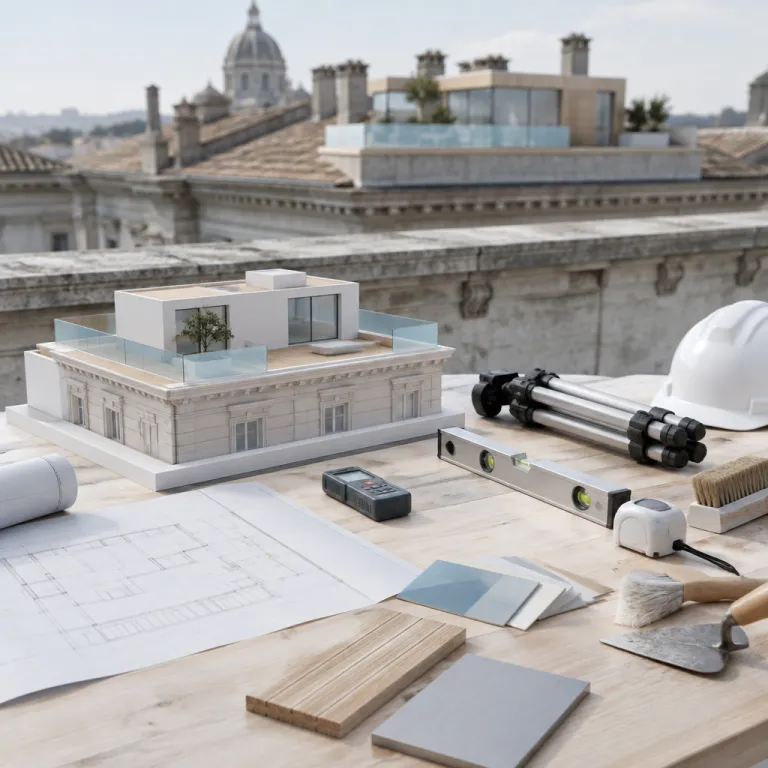
Why heritage rooftops feel different from ordinary hotel terraces
A heritage hotel rooftop renovation luxury project begins long before the first cocktail is poured. Architects study site history, structural drawings and original features to understand what the building can gracefully carry, then hoteliers decide how much luxury the new space should express without overwhelming the past. For couples choosing between hotels worldwide, that tension between preservation and ambition is what separates a forgettable rooftop bar from a perfect place where the city and the building’s history speak in the same quiet tone.
In a true luxury hotel, the rooftop is never just an extra floor with a view. It is the palazzo’s second act, where public spaces, guest rooms and even the ground floor lobby bar are reinterpreted vertically so that the narrative of heritage, art and history continues in the sky. When a renovation respects original art deco lines, keeps the rhythm of the façade and treats the rooftop bars as an evolution of the lobby rather than a separate attraction, hotel guests feel the building’s story rather than simply seeing the skyline.
Think about the difference when you step out of the elevator into a rooftop bar that feels like an extension of the lobby, versus one that could belong to any anonymous hotels brand. In the first case, the materials echo the original lobby stone, the bar counter repeats a curve from the ground floor, and the lighting references the hotel’s art deco chandeliers, so the completed renovation feels inevitable. In the second, a glass box ignores the building’s heritage, the renovation cost is spent on generic LED drama, and the rooftop space could be anywhere from Manhattan to San Francisco.
Designing the second act: how architects negotiate heritage and height
Designing a heritage hotel rooftop renovation luxury project is often an exercise in restraint. Load bearing walls, listed façades and strict height limits in historic hotels mean that every kilogram of structure, every centimetre of parapet and every new room or bar element must justify its presence. Those constraints can be a gift, forcing architects to work with original features and public spaces rather than against them, and to treat the rooftop as a finely tuned instrument instead of a blank stage.
Look at Venice, where the Four Seasons Hotel Danieli has reimagined the Terrazza Danieli as a lighter, more contemporary rooftop experience while keeping the lagoon view and the palazzo’s heritage intact. The rooftop restaurant and bar now align more closely with the luxury hotel interiors below, yet the renovation preserves the original stone balustrades and the sense of private loggia that has defined the site history for generations. For readers who want a deeper dive into how this kind of project works in practice, the detailed review of the Terrazza Danieli’s return on Rooftopstay’s guide to Venice’s most famous rooftop offers a rare, floor by floor perspective.
In southern Italy, Tivoli Palazzo 1880 Lecce shows another path for heritage hotel rooftop renovation luxury, adding a panoramic terrace to a former aristocratic residence without erasing its baroque bones. Here the new rooftop bar and rooms suites are set back from the cornice line, allowing the original façade to dominate the skyline while the renovated public spaces below maintain their frescoed ceilings and stone floors. The result is a sequence of guest rooms, suites and public spaces that feel coherent from ground floor lobby to rooftop, proving that careful renovation can extend a building’s life without diluting its character.
From lobby to skyline: how a rooftop completes the guest journey
For couples booking a heritage hotel rooftop renovation luxury stay, the experience should unfold as a vertical narrative. You arrive at the ground floor lobby, read the building’s history in the stone and the art, then move through public spaces that gradually open toward the sky until the rooftop bar feels like the natural final chapter. When that journey is coherent, every transition from lobby bar to elevators to guest rooms and finally to the terrace reinforces the sense that you are inhabiting a single, carefully restored story.
Some of the most successful hotels in New York and San Francisco use this approach, treating the rooftop as a quiet observatory rather than a party deck. In Manhattan, for example, several luxury hotel properties in art deco towers keep the rooftop bars deliberately understated, with low lighting, limited music and a focus on the view so that hotel guests feel they have stepped into a private extension of their rooms suites. Rooftopstay’s feature on discreet rooftop hotels, which highlights altitude that does not broadcast itself, captures this philosophy with rare clarity and is essential reading if you prefer intimacy over spectacle.
When you evaluate hotels worldwide for a romantic trip, pay attention to how the hotel brand describes the journey from lobby to rooftop. Do they speak about public spaces, guest rooms and suites as part of one continuous space, or is the rooftop marketed as a separate attraction with no reference to heritage or original features ? A thoughtful heritage hotel rooftop renovation luxury project will mention how the renovation cost was invested in aligning the rooftop bar with the building’s history, not just in adding more tables and louder music.
City by city: how heritage rooftops reshape the skyline experience
Different cities impose different rules on heritage hotel rooftop renovation luxury projects, and those rules shape what you feel when you step outside at the top. In Manhattan, strict zoning and air rights mean that many historic hotels cannot add height, so architects carve rooftop bars into existing attics or mechanical levels, preserving the silhouette while opening new public spaces. The result is often a series of intimate rooms and private terraces where the view feels borrowed rather than conquered, and where the building’s original features remain legible against the skyline.
In New York, couples often gravitate toward heritage properties that balance skyline drama with a sense of refuge. A well handled renovation might transform unused guest rooms near the roof into suites with direct terrace access, creating a hybrid of rooms suites and semi private outdoor space that feels like a secret above the city. When you read about a heritage hotel rooftop renovation luxury project in york or elsewhere, look for details about how the renovation cost was allocated between structural reinforcement, public spaces and guest rooms, because that breakdown reveals whether the project prioritised long term comfort or short term spectacle.
On the West Coast, seismic codes in San Francisco make rooftop additions to historic hotels particularly complex, often requiring deep reinforcement of load bearing walls before any new bar or room can be added. That engineering work is invisible to hotel guests, yet it is what allows a heritage property to offer a rooftop bar with a panoramic view while keeping the original lobby and art deco detailing intact. When you see a completed renovation that quietly maintains the ground floor lobby bar, preserves the site history and still delivers a generous rooftop space, you are looking at a heritage hotel rooftop renovation luxury project that has truly earned its second act.
How to read a heritage rooftop listing like an insider
When you scroll through listings on a luxury and premium booking website, it can be hard to decode which heritage hotel rooftop renovation luxury projects are worth your time. Start by reading how the hotel describes its history, public spaces and rooftop in one narrative, rather than as separate amenities, because that signals whether the renovation was concept driven or purely commercial. Then look for mentions of original features, art deco details, site history and how the rooftop bar connects back to the lobby and guest rooms, which indicate a deeper respect for heritage.
Pay attention to the language around rooms, suites and public spaces, especially in hotels worldwide that trade heavily on their heritage. If a property highlights its completed renovation with specifics about restored guest rooms, carefully reworked lobby bar layouts and a rooftop space that mirrors the materials of the ground floor, you can usually trust that the renovation cost went into more than just surface finishes. Reviews that mention quiet private corners on the terrace, thoughtful lighting that protects the view and a bar programme that references local history are strong signs that the rooftop has been integrated into the building’s story.
Some travellers also like to track who stands behind a property, from independent owners to investment groups such as the Reuben Brothers, because ownership can influence how aggressively a hotel brand pursues rooftop development. A long term owner is more likely to treat a heritage hotel rooftop renovation luxury project as a generational investment, preserving public spaces and guest rooms while adding a rooftop bar that will age gracefully. For a contrasting example of a contemporary property that still treats its rooftop as part of a holistic guest journey, Rooftopstay’s review of elevated urban escapes at JW Marriott Denver Cherry Creek shows how even non historic hotels can choreograph the path from lobby to skyline with care.
FAQ
How can I tell if a heritage rooftop has been sensitively renovated ?
Look for signs that the heritage hotel rooftop renovation luxury project respects the building’s bones. Descriptions should mention preserved original features, continuity between lobby, guest rooms and rooftop bar, and a clear link to the site history. If the rooftop feels like a seamless extension of existing public spaces rather than a generic glass box, the renovation was likely handled with care.
Why do heritage rooftop rooms and suites often cost more ?
Heritage rooftop rooms and suites usually command higher rates because they combine scarcity, history and a premium view. Structural constraints, preservation rules and high renovation cost mean that only a limited number of guest rooms can be created at rooftop level. When those rooms suites also offer private terraces and direct access to a carefully designed rooftop bar, couples are paying for an experience that newer hotels cannot easily replicate.
What should couples prioritise when booking a heritage rooftop stay ?
Couples should focus on how the overall hotel experience flows from ground floor lobby to rooftop, not just on the view. Check whether the hotel brand explains its renovation philosophy, including how public spaces, guest rooms and the rooftop bar relate to the building’s history. A strong heritage hotel rooftop renovation luxury project will emphasise atmosphere, comfort and narrative continuity over sheer altitude.
Are heritage rooftop bars always open to the public ?
Access policies vary widely between hotels worldwide, especially in dense cities such as New York, Manhattan and San Francisco. Some heritage properties keep their rooftop bars primarily for hotel guests, with limited public reservations, to preserve a private atmosphere. Others open the space fully to the public, which can energise the rooftop but may reduce the sense of intimacy for couples seeking a quieter stay.
How do structural limits affect what a heritage rooftop can offer ?
Structural limits such as load bearing walls, seismic codes and height restrictions determine how much new space a heritage rooftop can safely support. These constraints influence everything from the size of the bar and number of guest rooms to the layout of public spaces and terraces. Often, the most memorable heritage hotel rooftop renovation luxury projects emerge from working creatively within these limits rather than trying to overpower them.