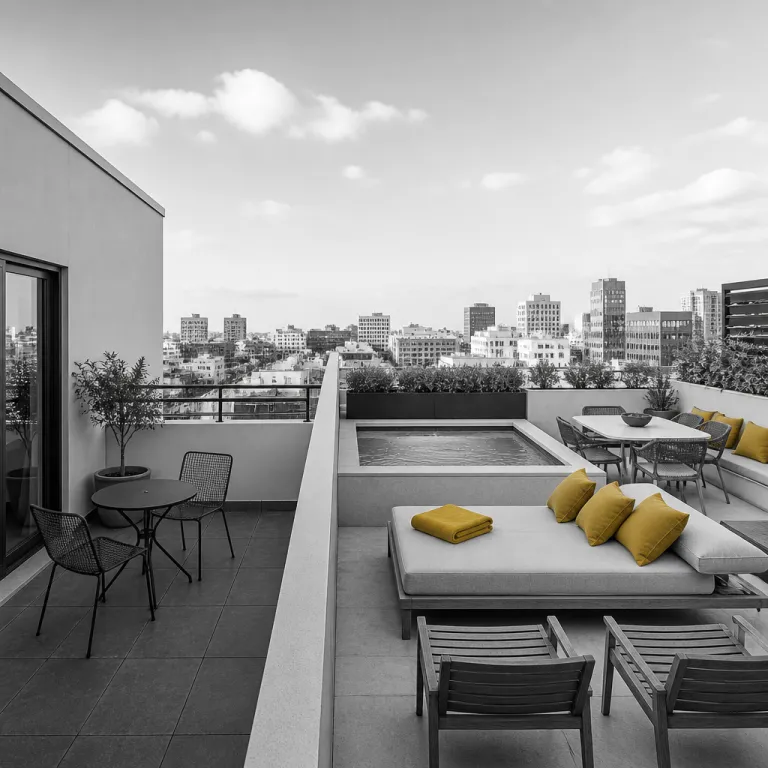
Reading the rooftop gap: room vs suite before you book
A rooftop hotel room and a rooftop suite may share the same skyline, yet the lived experience for guests can feel worlds apart. When you compare a rooftop hotel room vs suite upgrade, you are really comparing how you want to use your time, your space and your budget during the stay. For a premium family weighing value, the right choice depends on how much of your living happens indoors, outdoors and everywhere in between.
On most booking engines, the first decision is the room type, and that is where rooftop confusion often begins. A standard room with rooftop access can mean a compact hotel room on a high floor, while a rooftop suite might sit one level below the actual terrace but offer a large living room and a generous living area that opens to a private balcony. Reading the fine print around room types, room categories and terrace access is the only way to understand whether the upgrade buys extra space, better views or simply a different label.
Families and business travelers approach this choice differently, yet both groups care about clarity. Parents often compare a standard room or superior room with a junior suite or executive suite, trying to understand whether the suite separate bedroom and separate living room justify the higher rate. Corporate guests, especially frequent business travelers, may focus on whether a standard superior or superior deluxe rooftop category includes lounge access, late checkout and amenities that support working and living in the same compact area.
What rooftop access really means at each category level
Not every rooftop hotel describes access in the same way, and that is where the rooftop hotel room vs suite upgrade conversation becomes technical. A rooftop room in many hotels simply means that the hotel room sits on the top accommodation floor, with elevator access to a shared terrace where all guests can enjoy the view. Rooftop suites, by contrast, may include a private terrace, a partially covered outdoor living area or even a plunge pool that turns the exterior space into a true extension of the living room.
Look closely at how the hotel explains its room categories, because language reveals the hierarchy. A standard room with “rooftop access” usually shares the terrace with other hotel rooms, while a junior suite with “private rooftop terrace” suggests a suite separate from the public deck, often with a dedicated outdoor area screened from neighboring suites. When you see terms like superior room, deluxe room or superior deluxe rooftop, expect incremental upgrades in interior space and amenities rather than a radical change in how you reach the roof.
Some of the most interesting properties hide their altitude, and you see this in discreet rooftop hotels where the marketing underplays the terrace. Guides to discreet rooftop hotels where altitude does not broadcast itself often highlight suites that sit one level below the bar but connect to semi private decks. In these hotels, a rooftop suite might not say “rooftop” in the room type name, yet the bedroom and living area flow directly onto a quiet corner of the terrace, while standard hotel rooms rely on a shared staircase and a key card to reach the same view.
Price gaps from New York to Bali: what the upgrade really buys
Once you understand the language, the next step in any rooftop hotel room vs suite upgrade decision is the price delta. In dense urban markets such as New York or Paris, a rooftop room can already command a premium of 20 to 40 percent over a standard room on a mid level floor. The jump from that rooftop room to a rooftop junior suite or executive suite with a private terrace can easily add another 30 to 60 percent, especially in hotels with limited rooftop inventory.
Resort markets like Bali or Bangkok often price space differently, because outdoor living is part of the default experience. There, a deluxe room with partial rooftop access might be only slightly more expensive than a standard superior or single room, while a full rooftop suite with a large living room, extra space for children and a plunge pool can double the rate of entry level hotel rooms. Families should compare not just the nightly rate but also what the upgrade replaces, such as paying for multiple rooms instead of one large suite separate from the corridor.
Weather policies also matter when you pay for altitude, especially in cities with unpredictable seasons. Some of the best run hotels explain clearly how they handle closures, and resources on how the best hotels handle rooftop closures for weather show why this transparency protects your investment. If a rooftop presidential suite or superior deluxe terrace category loses access to its outdoor area for safety reasons, you want written assurances about compensation, alternative spaces or priority access to indoor lounges during your stay.
Space, layout and how rooftop suites turn terraces into living rooms
Space is where the rooftop hotel room vs suite upgrade decision becomes tangible, especially for families who treat the hotel as a temporary home. A standard room or standard room with rooftop access might offer 20 to 28 square metres, enough for a king bed and a compact living area with a small table. A junior suite or superior room with a terrace can push that to 35 or 45 square metres, with a separate living room that opens directly to the outdoor area and gives children somewhere to play while adults enjoy the view.
True rooftop suites, especially at brands like Hyatt and other international hotels, often use the terrace as functional living space rather than decoration. You might see a bedroom that remains relatively modest in size, while the living area and separate living room spill onto a deck with sofas, dining tables and even an outdoor kitchen, effectively doubling the usable space. In these layouts, the suite separate zones allow one person to work inside while others relax outside, which is invaluable for business travelers sharing with family.
At urban properties such as the elevated retreat featured in the guide to rooftop elegance at a downtown San Diego hotel, the best suites blur the line between interior and exterior. A deluxe room with a Juliet balcony cannot compete with a rooftop executive suite where sliding doors open to an expansive terrace that functions as a second living room. When you compare room types, ask for the exact interior area in square metres and the terrace area separately, because some hotels quietly include outdoor square footage in the total to make a smaller bedroom feel larger on paper.
The amenity gap: what suites usually include that rooms do not
Beyond space, the rooftop hotel room vs suite upgrade question hinges on amenities that change how you use the hotel. Entry level rooftop rooms typically share the same amenities as other standard hotel rooms, such as the same minibar, bedding and bathroom products, with the view as the main differentiator. Rooftop suites, especially categories like junior suite, executive suite or presidential suite, often add layers of service that justify the higher rate for guests who will actually use them.
In many luxury hotels, suites come with priority for early check in and late checkout, which can be crucial for long haul family trips. A superior room or deluxe room on the rooftop floor might still require you to queue at reception, while suites can include dedicated butler service, in room check in and access to a club lounge where breakfast, snacks and evening drinks are complimentary. Some properties also reserve the best poolside cabanas, spa appointment times and private rooftop event spaces for guests staying in suites rather than in standard superior or single room categories.
Outdoor amenities create another layer of differentiation that matters in rooftop focused hotels. A rooftop junior suite might include a small hot tub on the terrace, while a presidential suite can feature a full length plunge pool, a separate living area outdoors and a dining table that seats eight, effectively turning the suite into an entertaining hub. When you evaluate room categories, ask whether the rooftop access includes any exclusive amenities, such as reserved sunbeds, complimentary sundowner cocktails or family friendly perks like early evening mocktail hours for children.
When a rooftop room is the smarter value than a rooftop suite
Not every traveler needs the full suite treatment, and that is where a careful rooftop hotel room vs suite upgrade analysis can save meaningful budget. If your family plans to spend most of the day exploring the city and only return to the hotel to sleep, a well located standard room with shared rooftop access can be the most rational choice. In this case, the rooftop becomes a communal living area for a sunset hour, while the bedroom remains a simple, efficient base.
Families who book two connecting hotel rooms with rooftop access sometimes gain more flexibility than a single large suite, especially when teenagers want privacy. Two standard room or superior room categories can create a combined living area in the corridor, while still giving each person a separate bedroom and bathroom. For business travelers attending conferences, a standard superior or superior deluxe rooftop room type may already include the desk space, Wi Fi and lounge access they need, making the extra space of a junior suite unnecessary.
There are also psychological benefits to choosing a simpler category in certain hotels. In properties where the rooftop bar is the social heart, a rooftop room that shares the same elevator and terrace as everyone else can feel more connected to the life of the hotel than a secluded suite separate from the action. The key is to match the room type to your actual living patterns, rather than assuming that the highest category always delivers the best experience for your particular stay.
How to read listings so rooftop promises match real experiences
Online listings rarely spell out every nuance, so learning to decode language is essential in any rooftop hotel room vs suite upgrade decision. Phrases such as “rooftop access” or “rooftop view” usually indicate that the room is near the top but may not sit directly on the terrace, while “private rooftop terrace” or “exclusive rooftop level” suggest a more integrated relationship between the suite and the outdoor space. When you see vague descriptions like “city view from upper floors” without the word rooftop, treat them as high floor hotel rooms rather than true rooftop categories.
Pay attention to floor plans, because they reveal how the space actually works for living. A junior suite that shows a clear separate living room and bedroom, with a terrace off the living area, will feel very different from a deluxe room where the bed faces a window and a narrow balcony. If the listing does not specify the interior area and terrace area separately, ask the hotel directly, and request clarification on whether the rooftop is shared with other guests or reserved for certain suites.
Families should also read cancellation policies and weather clauses with the same care they apply to room categories. If a rooftop presidential suite or executive suite commands a significant premium because of its outdoor living area, you want written confirmation of what happens if the terrace becomes unusable for part of the stay. Clear communication from the hotel about standard room, superior room and suite level benefits builds trust, while vague promises about rooftop access without details on space, amenities and restrictions are a signal to keep asking questions before you commit.
Key figures on rooftop rooms, suites and upgrade value
- In major urban markets such as New York and London, rooftop rooms typically command a 20 to 40 percent premium over comparable standard rooms on lower floors, according to rate analyses by leading hotel revenue management firms.
- Upgrading from a rooftop room to a rooftop suite in luxury city hotels often adds another 30 to 60 percent to the nightly rate, with the largest gaps seen in properties that have fewer than ten suites connected directly to rooftop terraces.
- Independent audits of family travel bookings show that families who choose one large suite instead of two separate rooms can save between 10 and 25 percent overall in resort destinations, especially when suite rates include breakfast and lounge access.
- Guest satisfaction surveys from international hotel groups consistently report higher scores for stays in suites with private outdoor space, with increases of 8 to 15 percentage points in overall satisfaction compared with standard rooms on the same floor.
- In tropical destinations such as Bali and Phuket, more than half of luxury hotels now offer at least one rooftop or terrace suite category, reflecting growing demand for outdoor living space as part of the core room experience.
FAQ about rooftop rooms vs rooftop suites
Is a rooftop suite worth the extra cost for a family stay ?
A rooftop suite is usually worth the premium for families who will actually use the extra space and outdoor area. The separate bedroom and living room make naps, early bedtimes and quiet work much easier than in a single room. If you plan to be out most of the day, a well located rooftop room with shared terrace access may offer better value.
What is the main difference between a rooftop room and a rooftop suite ?
The main difference lies in space, layout and privacy rather than just the view. A rooftop room typically offers a single sleeping area with access to a shared terrace, while a rooftop suite adds a separate living area and often a private terrace or balcony. Suites may also include enhanced amenities such as butler service, lounge access and priority for early check in or late checkout.
How can I tell if a rooftop listing includes a private terrace ?
Look for precise wording such as “private rooftop terrace” or “exclusive terrace access from the suite” in the room description. Floor plans that show the terrace directly connected to the living room or bedroom usually indicate private use, while references to “rooftop access” without the word private often mean a shared space. When in doubt, contact the hotel and ask whether any other guests can use the same outdoor area.
Are rooftop suites better for business travelers than rooftop rooms ?
Rooftop suites can be better for business travelers who need a separate living room for meetings or work, especially on longer stays. However, a well designed rooftop room in a standard superior or superior deluxe category may already provide a good desk, strong Wi Fi and lounge access at a lower rate. The best choice depends on whether you will host clients in your room or mainly use the hotel as a base between meetings.
Do all rooftop hotel rooms have access to the rooftop bar or pool ?
Not all rooftop hotel rooms automatically include access to every rooftop facility, especially in hotels that host popular bars or private events. Some properties restrict certain areas to specific room categories or to guests who pay a cover charge, even if they are staying on the rooftop floor. Always check whether your chosen room type includes guaranteed access to the rooftop bar, pool or lounge during your stay.
Sources: STR Global, J.D. Power North America Hotel Guest Satisfaction Index, CBRE Hotels Research