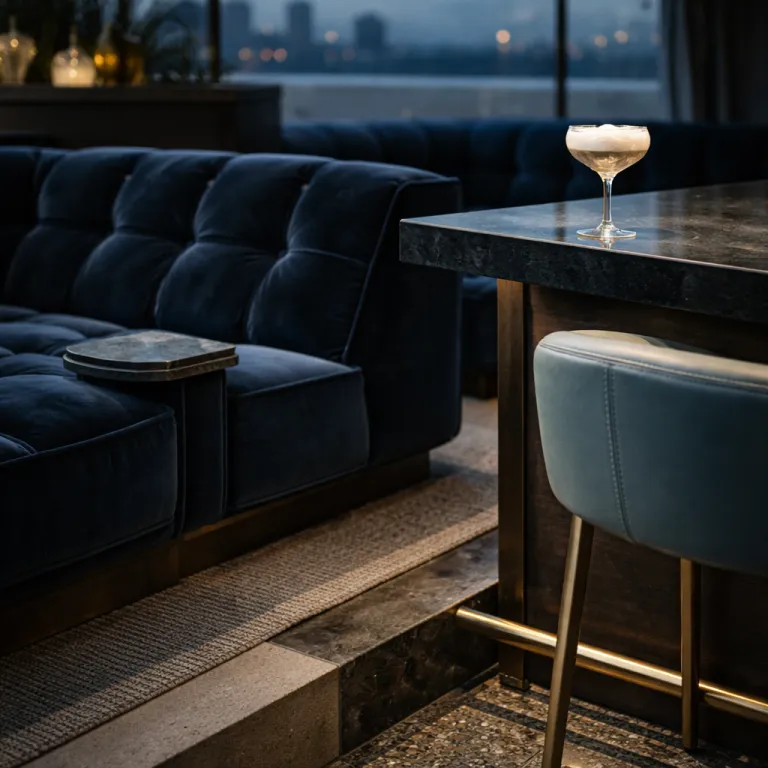
How rooftop lounge furniture design reveals the operator’s intent
Step out of the lift onto any rooftop and pause before sitting. The first thirty seconds of looking at the rooftop lounge furniture design will tell you whether this is a quick-drink sky bar or a luxury terrace where you can stay for hours. Train your eye and the furniture on the roof becomes a language you can read fluently.
On a well considered rooftop terrace, every piece of outdoor furniture is placed to choreograph how you move, talk and look at the city view. Interior designers and furniture manufacturers working with high end hotel teams know that guests now arrive with saved Pinterest boards and rooftop inspiration, so they design decks and terraces that feel both photogenic and quietly practical. Bar owners who understand this language use rooftop seating and terrace layout to stretch the average time patrons spend in well-designed lounges, which directly supports higher revenue and better guest satisfaction.
Look first at the basic zoning of the rooftop deck or elevated patio and how it relates to the skyline. A modern rooftop that treats the best views as the main asset will angle lounge chairs and sofas toward the horizon, while a more social bar design may pull furniture inward around firepits or a central bar. When you compare different sky bars in a dense city, the best elevated spaces are usually the ones where the furniture ideas feel edited rather than crowded, with clear paths between the bar, the restaurant seating and the quieter lounge corners.
Daybeds, banquettes and what the seating height tells you
Low daybeds on a rooftop lounge signal one kind of night, while upright banquettes along the terrace rail suggest another. Daybeds and deep lounge sofas belong to a luxury rooftop that expects you to order a bottle, sink in and stay through sunset and beyond. Banquettes and bar stools on the other hand usually indicate a rooftop bar focused on faster rotation, more covers and a livelier, more social energy.
When you arrive at a hotel rooftop, scan how many true lounge pieces you see compared with dining height tables. A terrace dominated by dining chairs and two tops is usually programmed as a restaurant first, with the bar and lounge experience as a secondary layer. If you see generous daybeds, modular sofas and moveable ottomans spread across the deck, the operator is prioritizing relaxed outdoor moments and unhurried drinks over quick service, even if there is a busy bar nearby.
Rotation matters as much as comfort, and it is written into the furniture design. Swivel chairs that can turn toward the city view tell you the hotel wants guests to engage with the skyline, while fixed banquettes facing inward keep attention on the bar and other tables. On some of the best elevated patios in cities like Hong Kong and New York, you will notice a deliberate mix of high bar stools at the edge for skyline hunters and lower lounge clusters further back for groups who value conversation more than views.
Materials, outdoor fabrics and the quiet test of quality
On a premium rooftop, the fabric under your hand is as revealing as the view. Genuine performance textiles feel dense yet soft, resist fading and dry quickly after rain, while prestige look-alike fabrics often feel thin, shiny or slightly sticky in humid outdoor conditions. Interior designers working with serious bar owners and hotel teams rely on performance grades that can handle strong sun, rooftop wind and the wear of busy bars without looking tired after one season.
There is a simple way to read quality on any rooftop patio or elevated terrace without asking about brands. Look at the seams and piping on cushions, then check whether the outdoor furniture frames are powder coated metal, solid teak or a lighter material that already shows scuffs along the deck. Furniture manufacturers and design firms now integrate ergonomic and aesthetic principles in bar furniture design, because they know that well considered seating directly shapes customer comfort, posture and perception.
Well made rooftop furniture also supports the operator’s financial logic in a very direct way. Industry case studies and hospitality research consistently link ergonomic seating with longer dwell times and higher average checks, which helps explain why the best rooftop bars invest in chairs that support the lower back and loungers that encourage guests to order a second drink. When you feel genuinely comfortable in a rooftop lounge, you are more likely to stay for dessert, another cocktail or a late night snack, which is exactly what a thoughtful terrace design is trying to achieve.
Planters, lighting and the subtle border between bar and restaurant
Fixed planters on a rooftop are more than decoration; they are quiet architecture. When you see heavy planters bolted into the deck to frame dining tables, you are usually looking at a rooftop restaurant that wants clear separation between service zones. Lighter, movable pots around low lounge furniture instead suggest a flexible rooftop lounge where the layout can shift from sunset drinks to late night bar service without a full reset.
Lighting is another reliable clue that separates a simple rooftop bar from a fully considered experience. A refined luxury rooftop will layer candlelight on tables, recessed downlights over circulation paths, ambient strips under benches and a hidden uplight on planters to sculpt the terrace after dark. If all you see are bright overhead spots and a glowing bar counter, the focus is on speed and visibility rather than on atmosphere and long, slow evenings.
Watch how the lighting hierarchy works with the city view and the furniture around you. On a modern rooftop with a strong skyline, the best terrace teams keep table light low enough that your eyes adjust to the horizon, using the city itself as the main feature. Articles such as the invisible wellness focused piece on quiet design in Rooftopstay’s guide to subtle rooftop design show how this kind of restraint can turn a simple deck into a calm, elevated retreat above busy streets.
Reading real rooftops: from hong kong sky bars to quiet city decks
Once you start reading rooftop lounge furniture design, real properties around the world become case studies. In Hong Kong, where space is tight and every roof is contested, the most interesting rooftop bars, such as Ozone at The Ritz-Carlton, often use slimline outdoor furniture and narrow banquettes to keep circulation clear while still framing the harbour views. You will notice that the best elevated spaces there use modular sofas and movable lounge chairs so staff can adapt the deck from after work drinks to late night bar service.
In New York or other dense city centres, a modern rooftop terrace on a luxury hotel often blends restaurant and lounge zones with careful terrace design. Fixed planters mark the edge of dining areas, while looser clusters of low furniture and daybeds sit closer to the bar for guests who want a more relaxed lounge atmosphere. Design analysis sessions between interior designers, bar owners and furniture manufacturers now use methods such as visual analysis, customer feedback and expert interviews to refine these layouts, with the shared goal of enhancing customer satisfaction and improving bar aesthetics.
For you as a solo explorer booking a hotel, the practical question is simple. When you scroll through images or save rooftop photos, look closely at how the roof is furnished and ask whether you see yourself in those chairs. Properties whose furniture choices feel deliberate rather than catalogue driven are usually the ones where you will linger, because every chair, table and planter has been placed with your comfort, your city view and your time on the rooftop in mind.
FAQ
How does furniture design affect bar ambiance on a rooftop?
Furniture design shapes how guests move, sit and interact on any rooftop bar or rooftop lounge. Low sofas and daybeds create a relaxed, intimate ambiance, while upright chairs and bar stools support a livelier, faster paced bar environment. Layout, materials and lighting together determine whether the roof feels like a quick drink stop or a full evening experience.
What should I look for in outdoor furniture when choosing a rooftop hotel?
Check whether the outdoor furniture looks comfortable, well maintained and appropriate for the climate of the city you are visiting. Performance fabrics, solid frames and thoughtful terrace design usually indicate a hotel that invests in guest comfort and long term quality. If the rooftop patio or rooftop terrace looks crowded, flimsy or poorly lit, the experience may feel more functional than luxurious.
How often do high end bars and hotels update their rooftop furniture?
Many premium properties review their rooftop furniture every few years to keep the space aligned with guest expectations and evolving design ideas. Some pieces are replaced sooner if they face heavy use or harsh weather on an exposed roof. The goal is to maintain both safety and style without disrupting the established character of the rooftop deck.
What are key considerations in selecting bar furniture for a rooftop?
Comfort, durability and alignment with the overall bar design are essential when selecting rooftop furniture. Operators also consider weight, stability in strong winds and how easily pieces can be reconfigured between restaurant service and lounge events. When these factors are balanced well, the rooftop becomes both visually appealing and operationally efficient.
How does good rooftop furniture influence how long guests stay?
Comfortable, ergonomic seating on a rooftop encourages guests to extend their visit beyond a single drink. Industry data and operator reports link well designed lounge furniture with longer average stays and higher revenue, especially in busy rooftop bars. When you feel supported, shaded and visually engaged with the city view, you are far more likely to order another round and settle into the evening.