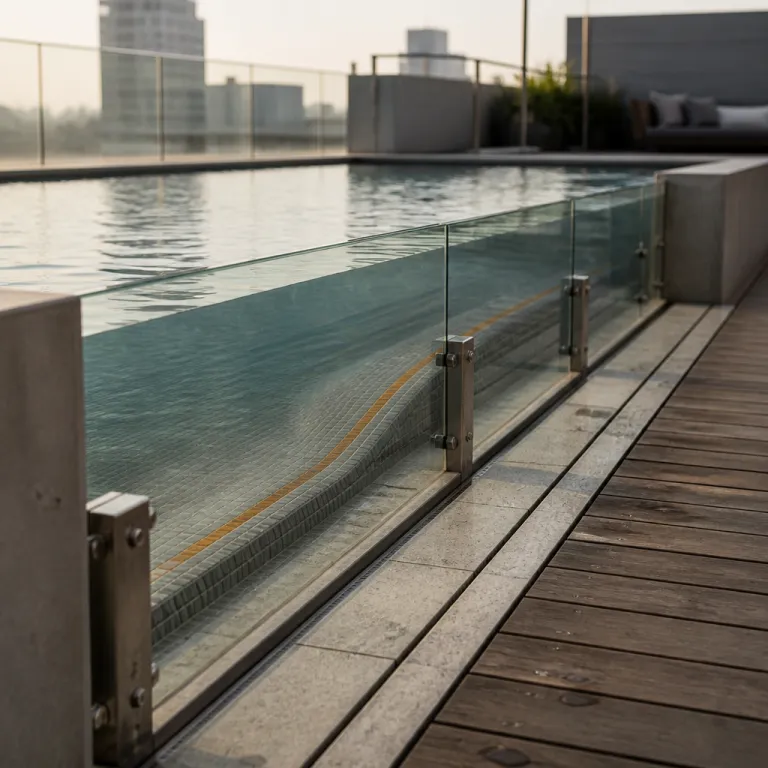
How to read rooftop pool depth when booking a family hotel
Reading rooftop pool depth in a family hotel booking
Rooftop pool depth is rarely a headline feature in a family hotel listing, yet it quietly shapes every swim. When you plan a weekend in a dense city with kids, the difference between a 1.2 metre (about 4 ft) and a 1.6 metre (about 5 ft 3 in) rooftop pool can decide whether the water feels like a relaxed play space or a guarded lane for strong swimmers. For any family stay built around time by the water, depth is as critical as views, bar menus and sunset angles.
Most rooftop pools in luxury hotels sit between 1.2 and 1.4 metres (roughly 4–4.6 ft), because that depth balances safety, structural load and the visual drama guests expect from an elevated pool. A shallower hotel pool allows more hotel guests to stand comfortably, keeps the pool area feeling sociable and lets parents supervise kids without treading water. When you see a city hotel advertising a deeper rooftop pool, you are usually looking at a property that has invested heavily in engineering and wants to attract confident swimmers rather than very young children.
Families booking a rooftop pool depth family hotel should read the pool description as closely as the room type. If the listing only mentions a rooftop bar and sunset views, ask directly about the exact water depth and whether the pool open hours suit children. Use tools such as Google Maps satellite view to gauge the pool deck size, count the lounge chairs and understand whether the pool area feels like a calm retreat or a compact social stage.
Why most rooftop pools stay between 1.2 and 1.4 metres
Behind every elegant rooftop pool in a family friendly hotel sits a team of structural engineers, architects and contractors making hard choices about weight. Water is heavy; as standard engineering references note, water weighs about 62.4 pounds per cubic foot (1,000 kg per cubic metre), a figure used in many civil engineering handbooks and design guides. That simple fact explains why depth is limited more often than design teams admit in glossy brochures.
To see how this plays out, imagine a modest rooftop pool that is 30 ft long, 15 ft wide and 4 ft deep (about 9.1 m × 4.6 m × 1.2 m). The volume is 30 × 15 × 4 = 1,800 cubic feet of water. Multiply that by 62.4 pounds per cubic foot and you reach 112,320 pounds of water alone, or more than 50,000 kilograms, before adding the pool shell, people, furniture and equipment. Increase the depth to 5 ft (about 1.5 m) and the water weight jumps by roughly 28,000 pounds, which is why many rooftop designs stop around 1.2 to 1.4 metres.
Structural engineers analyse how much load the existing city building can carry before they approve any pool deck or elevated water park style feature. They work with building codes such as the International Building Code (IBC) and comparable regional rules, which set limits on live loads for roofs and terraces and often reference pool-specific standards from organisations like the International Code Council and national safety bodies. Architects then integrate the rooftop pool, the bar, the lounge chairs and the service amenities such as showers and storage for pool towels into a single coherent plan. Contractors finally build the shell, using lightweight materials and advanced waterproofing so that the rooftop pools do not compromise the structure below or leak into rooms during a busy weekend stay.
Because of this weight equation, most hotel rooftop projects settle on a depth where adults can stand and kids over eight can manage with supervision. That 1.2 to 1.4 metre range keeps the rooftop pool visually generous without turning it into a structural burden or a safety headache. When you read a rooftop pool depth family hotel description, remember that the numbers reflect not only guest comfort but also the invisible calculations of the design team that balanced skyline drama with long term building health and guest safety.
Deeper rooftop pools and lap pools: rare, engineered and specific
Some luxury hotels push beyond the standard depth and create rooftop pools closer to 1.5 or 1.6 metres (around 5–5.3 ft), often paired with a lap lane. These deeper pools usually sit on new builds where structural engineers and architects planned the water load from day one, using engineering software, lightweight materials and careful geometry to distribute more than 100,000 pounds of water safely. The result can be a rooftop pool that feels like a suspended resort rather than a shallow urban splash pad.
In cities such as New York or Ho Chi Minh City, a few city hotel properties advertise lap friendly rooftop pools long enough for real training sessions. The rooftop pool at the Marina Bay Sands in Singapore, for example, is widely documented in hotel and architectural publications for its infinity edge and length, while the Hotel des Arts Saigon in Ho Chi Minh City highlights a rooftop pool that appeals to adults who enjoy proper swimming. These pools tend to attract solo travellers and couples who prioritise fitness, while families with younger kids may find the depth intimidating during a day visit. Before you book a rooftop pool depth family hotel that highlights lap swimming, check whether there is a separate shallow pool area or stepped entry where children can stand comfortably.
Deeper rooftop pools also change the social script around the bar and the terrace where the city rewrites itself at golden hour and the bartender knows to stay quiet. Guests linger on lounge chairs, order drinks and treat the pool deck more like a private club than a casual family friendly hangout. If your priority is relaxed play time with kids rather than a design statement, a slightly shallower rooftop pool with clear zoning between hotel guests who swim and those who sip may offer the best rooftop balance for your stay.
Family safety, depth and how to read the signs before booking
Parents reading rooftop pool descriptions should think in centimetres and feet, not just in marketing adjectives. A 1.2 metre depth (about 120 cm or 4 ft) usually works for confident kids over eight, while younger children or weaker swimmers need constant contact with an adult in the water. Once depth passes 1.4 metres (around 140 cm or 4.6 ft), the pool becomes an adult space where children can enjoy only short, closely supervised sessions.
Safety perception is shaped by more than numbers; visual clarity, lighting and supervision matter just as much. Clear water, bright depth markings and lifeguard presence all help parents relax during a weekend stay, especially when the pool open hours extend into the evening. In the United States, for example, many states follow guidance from the Centers for Disease Control and Prevention (CDC) and local health departments on pool supervision, while European city hotels often reference national standards such as the UK Health and Safety Executive (HSE) or French public pool codes when setting lifeguard policies. When you assess a rooftop pool depth family hotel, look for photos that show railings, non slip surfaces, steps rather than ladders and enough lounge chairs so that supervising adults can sit within arm’s reach of the pool.
Service culture also plays a role in how safe a rooftop feels for a family. Properties that train bar staff and pool attendants as hosts, not just servers, tend to manage noise, glassware and crowding more thoughtfully across the pool deck. Reading guest reviews about service amenities, pool towels availability and staff attentiveness can tell you as much about family suitability as any polished description of sunset views or skyline history.
Practical booking checklist for a rooftop pool depth family hotel
When you shortlist hotels for a city break, start by mapping the rooftop pool against your family’s swimming confidence. Ask the hotel directly for exact depth measurements, whether the hotel pool has a shallow ledge or steps and if there are any time slots reserved for adults only. Clarify whether the pool open schedule aligns with your likely day rhythm, especially if you plan to swim after a long walk or a late city visit.
To keep the process simple, use a short checklist before you confirm a booking:
- Confirm minimum and maximum water depth in metres and feet.
- Ask whether there is a shallow zone, steps or a beach style entry.
- Check if lifeguards or trained attendants supervise the rooftop pool.
- Review pool opening hours and any adults only swim times.
- Compare hotel photos with recent guest images of the pool deck.
- Read reviews that mention families, noise levels and crowding.
Location still matters; a city hotel with a rooftop pool that sits a short walk from key sights can turn a hot afternoon into a manageable adventure with kids. Use Google Maps not only to confirm the address but also to gauge how exposed the pool area is to neighbouring towers and how large the pool deck appears. Cross check this with guest photos to see whether the hotel’s rooftop spaces feel calm at sunset or crowded with non resident bar patrons.
Finally, think about how the rooftop fits into your wider family experience rather than treating it as a standalone water park. A well designed rooftop pool depth family hotel will balance water play, quiet corners, thoughtful service amenities and a bar that respects both couples and families. Apply the same depth focused lens whether you are booking in New York, Ho Chi Minh City or any other skyline rich city, and use reputable hotel reviews, architectural write ups and local safety guidance to confirm that the rooftop pool matches your family’s comfort level.
FAQ
What rooftop pool depth is safest for children in a city hotel ?
For most families, a rooftop pool depth between 1.1 and 1.3 metres (about 3.6–4.3 ft) offers the best balance between safety and enjoyment. Confident kids over eight can usually stand or bounce comfortably, while adults can supervise without treading water. Always confirm whether there is a shallower entry zone or steps for younger children.
How can I check rooftop pool depth before I book a hotel ?
Do not rely only on marketing photos or generic descriptions of rooftop pools. Email or call the hotel and ask for exact depth measurements, including the shallow and deep ends, and request a recent photo of the pool area. You can then compare this information with guest images and satellite views to ensure it matches your family’s needs.
Are deeper rooftop pools always better in luxury hotels ?
Deeper rooftop pools are not automatically better; they simply serve a different type of guest. A 1.5 or 1.6 metre pool (around 5–5.3 ft) suits strong swimmers and lap training but can feel stressful for families with younger kids. For a rooftop pool depth family hotel, a slightly shallower design with clear zoning often delivers a more relaxed experience.
Do rooftop pools feel safe during busy weekend stays ?
Safety during a busy weekend depends on staffing, layout and rules rather than depth alone. Look for hotels that limit outside visitors, provide lifeguards or trained attendants and keep glassware away from the pool deck. Reviews that mention attentive service, clean pool towels and orderly use of lounge chairs are strong positive signs.
Why do some rooftop pools feel colder or rougher than ground level pools ?
Rooftop pools are more exposed to wind and sun, which can affect perceived temperature and surface comfort. Engineers often use lightweight materials and specific waterproofing systems to reduce structural load, and these can feel different underfoot compared with traditional ground level pools. Water circulation patterns and shading from nearby towers also influence how the pool feels during your stay.