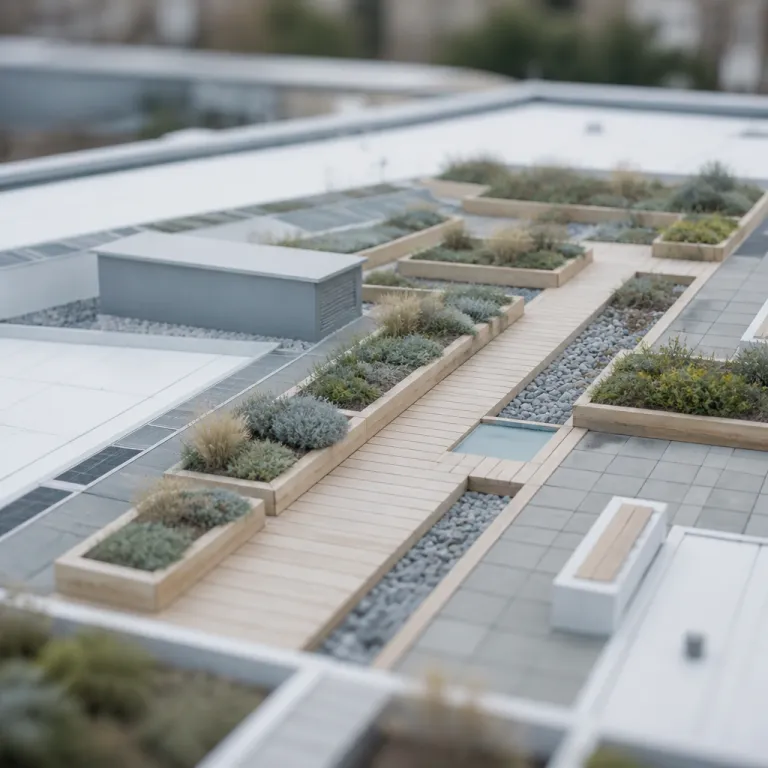
Why rooftop hotel sustainability materials start with water, not panels
On a luxury roof terrace, the quiet work of water management shapes everything. Stormwater design on a rooftop hotel is often more important for the urban environment than the most photogenic solar panels, because it decides how much energy is later needed to pump, treat, and cool water across a dense district. When you compare rooftop hotel sustainability materials, ask how the roof handles rainfall in real time rather than only how it looks at sunset.
In compact city centres, a well engineered green roof can typically retain 50–80 litres of water per square metre during a storm event, slowing runoff that would otherwise overwhelm drains and increase flood risk. Studies from the German Landscape Research, Development and Construction Society (FLL) and monitoring in Basel’s green roof programme report similar ranges for intensive systems, while extensive roofs usually store less but still cut peak flows. This temporary storage reduces pressure on municipal systems, protects local communities living downstream, and quietly lowers the electricity consumption required for pumping and treatment. Architects, contractors, and manufacturers now collaborate on layered systems where drainage mats, root barriers, and substrates work together to manage water flows as carefully as any lobby lighting plan.
For guests, the impact is tangible even if it is not explained at check in. A roof that retains water and channels it through sustainable drainage can reduce heat island effects on the surrounding streets, making evening walks cooler and more pleasant. When a hotel publishes data on water use, stormwater retention, and cooling demand, you see a credible commitment to sustainability rather than a vague marketing line about being eco friendly. The Parkroyal Collection Pickering in Singapore, for example, reports that its sky gardens and water sensitive design reduce irrigation demand and moderate local temperatures around the podium levels.
Stormwater systems also influence how rooftop gardens feel underfoot. Deep substrates that absorb water create softer, cooler paths and support more varied planting, while lighter systems dry faster and need more irrigation and pumping energy. When you read that a property uses greywater to irrigate its roof garden, you are looking at one of the most advanced rooftop hotel sustainability materials strategies available in hospitality, already used in pioneering projects from Singapore to California.
Substrate depth, biodiversity and the real meaning of a green roof
Not every green roof on a hotel is created equal, and the depth of the substrate tells you more than the marketing copy. Extensive systems use a shallow layer of lightweight material, often 6–15 cm deep, which keeps structural loads low and embodied energy in construction down, but they usually support only hardy sedums and simple grasses. Intensive systems use deeper, heavier substrates that can host shrubs, small trees, and a productive garden, but they demand stronger structures and more thoughtful waste management for soil, compost, and trimmings.
For a traveler, this difference shapes everything from shade to sound. A deep rooftop garden with layered planting cools the air, softens city noise, and reduces heat islands around the building, while a thin green skin mainly improves insulation and modestly reduces carbon used for heating and cooling. When hotels talk about rooftop hotel sustainability materials, ask whether their green roofs are extensive or intensive, and how that choice affects biodiversity, pollinator habitat, and long term energy efficiency.
Substrate composition matters as much as depth. Systems that blend recycled mineral materials with organic matter can reduce carbon footprint in production while still supporting fresh ingredients grown on site for food and beverage menus. When chefs use locally sourced herbs from an intensive roof garden, they cut food waste from transport and storage, and they give guests a direct connection between the plate and the skyline.
Some of the most interesting projects now pair intensive gardens with habitat features. Deadwood piles, insect hotels, and shallow water trays turn a simple roof into a stepping stone for urban wildlife, which supports local communities of pollinators and birds. For a deeper dive into how planting design changes the guest experience, the analysis of biophilic rooftop gardens in luxury hotels shows how substrate decisions ripple through every aspect of a stay.
Timber, steel and shade: reading the sourcing behind the style
When you step onto a rooftop bar and run your hand along the balustrade, you are touching the most visible part of rooftop hotel sustainability materials. Reclaimed teak decking, FSC certified bamboo cladding, and recycled steel pergolas can dramatically reduce embodied carbon compared with virgin materials, but only if the sourcing is genuine and the supply chain is transparent. The most serious hotels now publish material data for their roofs alongside energy performance figures, rather than hiding it in design files.
Look closely at timber on a roof terrace. True reclaimed wood carries subtle irregularities, old fixing marks, and a patina that no stain can fake, while new tropical hardwoods often look too uniform and raise questions about deforestation and climate impact. Responsible hotels pair reclaimed timber with recycled steel structures, which offer long lifespans and can be fully recycled again, reducing future waste when the roof is upgraded.
Shade structures are another quiet sustainability test. Cool roof coatings on pergola tops and adjacent flat surfaces reflect sunlight, lowering surface temperatures and reducing energy consumption for cooling the floors below. Peer reviewed studies and U.S. Department of Energy guidance report typical cooling energy savings of around 10–15 % for reflective roofs in warm climates, with some DOE case studies in California hotels and schools showing even higher peak demand reductions. This is where energy efficiency becomes tactile for guests, because the terrace feels cool under bare feet even on a bright afternoon.
Material honesty extends to finishes and plastics. High quality recycled plastic in planters and furniture can be part of a sustainable strategy if it is durable and fully recyclable, while cheap mixed plastic pieces usually end up as waste within a few seasons. For a deeper look at how furniture choices signal operational values, the guide to reading rooftop lounge furniture design clues explains how to decode a hotel’s long term commitment from a single chair.
Behind these visible choices sit less glamorous systems. As one industry explainer summarises from U.S. Department of Energy and Cool Roof Rating Council data, “Energy savings from cool roofs can reach around 10 %, while durable metal roofs can last up to 50 years, reducing replacement waste and resource use.” For travelers comparing properties, that kind of lifespan and energy performance matters more than a seasonal décor refresh, and it aligns with the quiet design revolution explored in this analysis of invisible rooftop wellness systems.
Greywater, data and the systems that keep a rooftop programme alive
The most advanced rooftop hotel sustainability materials are useless without equally thoughtful systems for water, energy, and waste. Greywater recycling, where lightly used water from showers or sinks is treated and reused for irrigation, is still rare in hotels but transformative when present, because it decouples the rooftop garden from mains supply and reduces demand on potable water treatment. When a property explains its greywater loop clearly, you are seeing a level of sustainability literacy that usually extends to food, beverage, and housekeeping operations.
Operational data is the other quiet hero. Hotels that track energy consumption, water use, and waste management in real time can adjust irrigation schedules, lighting, and cooling to reduce carbon without compromising comfort. When those numbers are shared publicly, even in simple dashboards, they turn sustainability from a vague commitment into a measurable performance, and they help guests understand the true carbon footprint of their stay.
Housekeeping practices on the roof matter more than many guests realise. Using eco friendly cleaning products protects the rooftop environment and prevents chemicals from entering drainage systems, while careful sorting of food waste and plastic from rooftop bars supports recycling targets. When staff are trained to manage food and beverage operations with portion control and fresh ingredients, they reduce food waste and energy waste from refrigeration, which directly lowers operational emissions.
These systems also shape how long a rooftop programme can thrive. Efficient irrigation extends plant life, smart lighting reduces heat islands on the deck, and well maintained drainage protects structural materials from premature decay. For solo travelers choosing between hotels, asking about greywater use, real time monitoring, and rooftop waste management is a precise way to separate marketing from meaningful sustainability.
How guests can read a rooftop and choose better hotels
From a guest perspective, rooftop hotel sustainability materials are easiest to judge through a few simple cues. Start with the roof surface itself, because a cool, lightly coloured finish usually signals a reflective roof strategy that reduces heat island effects and energy consumption below. If you see a lush garden with varied planting, shaded seating, and minimal visible plastic clutter, you are likely standing on a roof where sustainability has been considered from substrate to service.
Menus offer another clear window. When food and beverage teams highlight locally sourced produce, fresh ingredients from the rooftop garden, and efforts to reduce food waste, they are usually working in step with engineering teams focused on energy efficiency and water savings. Ask how the bar handles beverage waste, whether glass is recycled, and how often ice machines are cycled, because these details reveal whether sustainability is a daily practice or a seasonal campaign.
Communication style is just as telling as any material. Hotels that publish concise information about energy performance, carbon footprint, and rooftop waste management, even without glossy graphics, tend to have stronger internal systems and a more honest approach to sustainability. Properties that only mention being carbon neutral without explaining how they reduce emissions through water optimisation, material choices, and local community partnerships deserve more questions from discerning travelers.
Finally, pay attention to how the space feels over time. A rooftop that stays cool on hot days, drains quickly after storms, and supports healthy planting across seasons is usually built on robust, sustainable materials and systems. When you choose these hotels, you are not just booking a view; you are supporting a quieter, more durable form of urban sustainability that will still be working long after the press releases fade.
FAQ
What are the main benefits of sustainable roofing on hotels ?
Sustainable roofing on hotels reduces energy costs, lowers environmental impact, and increases durability of the building envelope. Systems such as green roofs, cool roof coatings, and recycled metal surfaces improve energy efficiency while mitigating urban heat islands. These choices also support better stormwater management and can enhance guest comfort on rooftop terraces.
Which materials are considered sustainable for rooftop hotel design ?
Common sustainable materials for rooftop hotel design include metal roofing, clay tiles, recycled shingles, and well engineered green roof systems. Reclaimed timber, FSC certified bamboo, and recycled steel are also widely used for decks, pergolas, and railings. The key is verifiable sourcing, long lifespan, and the ability to recycle or reuse materials at the end of their service life.
How does a cool roof improve the guest experience ?
A cool roof uses reflective surfaces and coatings to bounce sunlight away, reducing heat absorption and lowering cooling loads inside the hotel. For guests, this means more comfortable rooftop spaces, less glare, and often quieter mechanical systems because cooling equipment works less. Over time, cool roofs also help reduce carbon emissions associated with air conditioning.
What should travelers look for to judge rooftop sustainability ?
Travelers can look for visible signs such as varied rooftop planting, shaded seating, light coloured surfaces, and durable materials like reclaimed wood or recycled metal. Clear information about energy consumption, water use, and waste management on the hotel website or in room materials is another strong indicator. When staff can explain how the rooftop garden is irrigated or how food waste is handled, it usually reflects a deeper operational commitment.
Do green roofs really help cities, or are they mostly decorative ?
Well designed green roofs provide measurable benefits for cities beyond aesthetics. They retain stormwater, reduce peak runoff, lower surface temperatures, and create small habitats that support urban biodiversity. In dense districts, these effects collectively reduce strain on infrastructure and help local communities adapt to hotter, wetter climates.
Key performance indicators for rooftop hotel sustainability
| Feature | Typical performance range | Source or example |
|---|---|---|
| Green roof stormwater retention | 50–80 L/m² per storm for intensive systems | FLL guidelines; Basel green roof monitoring |
| Cooling energy savings from reflective roofs | ~10–15 % reduction in cooling use | U.S. DOE and Cool Roof Rating Council case studies |
| Service life of quality metal roofing | Up to 40–50 years with maintenance | Industry durability assessments |
| Greywater reuse potential | Can offset most rooftop irrigation demand | Hotel and resort water recycling projects |