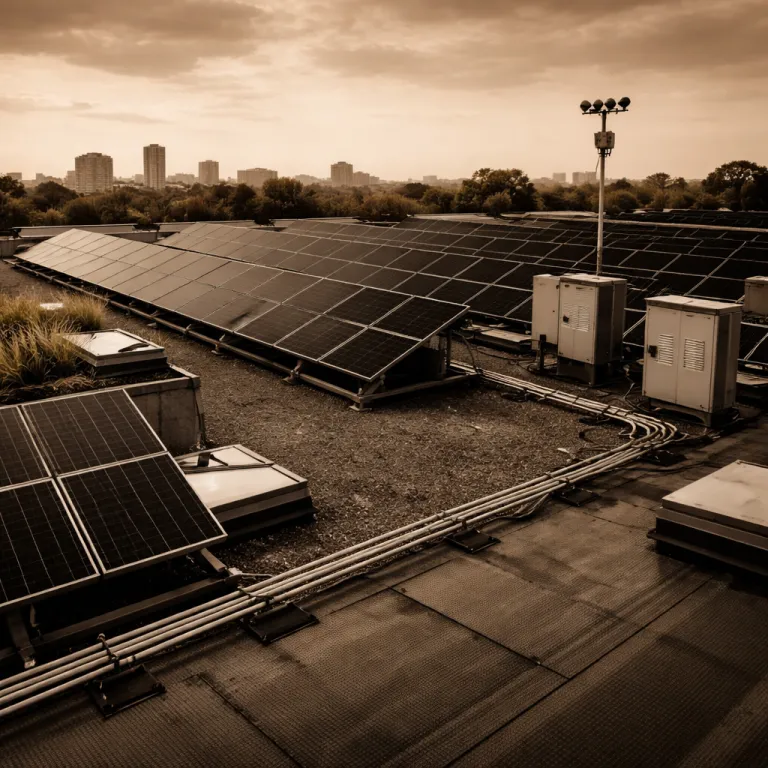
When a rooftop panel is power plant, not prop
Stand on a hotel rooftop at golden hour and you will often see a neat grid of solar panels framing the skyline. Some of those installations quietly power serious hotel operations, while others are little more than stage dressing for marketing about sustainability and climate awareness. Understanding when rooftop solar is being used as a sustainability prop starts with learning to read the roof as carefully as you read the cocktail list.
Real rooftop renewable energy systems are sized to meaningfully reduce energy consumption, not just to appear in brochures as a green accent. As a rule of thumb, rooftop solar panels that are genuinely integrated into hotel sustainability efforts tend to pay for themselves in roughly seven to twelve years, a range consistent with commercial payback periods reported in International Renewable Energy Agency (IRENA) and U.S. National Renewable Energy Laboratory (NREL) analyses of grid-connected photovoltaic projects. Those studies highlight how installation cost, local electricity tariffs, and available incentives shape the return on investment. When a hotel claims to be carbon neutral because of a few panels near the pool, you are likely looking at a symbolic gesture rather than a serious environmental program.
There are four reliable tells that separate authentic rooftop sustainability from decorative gestures. First, look for coverage; a serious hotel will use most viable roof space for panels, not a tiny patch beside the helipad, and those panels will be angled consistently to maximize energy efficiency rather than aesthetics. Second, ask about numbers; a credible hotel can state what percentage of total energy consumption comes from rooftop solar, how that affects its carbon footprint, and how this links to broader sustainability programs such as water conservation or food waste reduction. Third, check whether the rooftop system is mentioned in third-party environmental certification such as LEED, Green Key, or Green Globe, because genuine hotel sustainability is usually audited rather than self-proclaimed. Fourth, listen to how staff describe the system; if they only repeat vague eco-friendly phrases about being green without any operational detail, you are likely witnessing rooftop sustainability spin in real time.
Hotels engage in this kind of greenwashing for predictable reasons. They want to attract eco-conscious guests, enhance brand image, and reduce operational costs, yet many properties still treat sustainability as a marketing layer rather than a structural change in operations. As one industry FAQ from the Global Sustainable Tourism Council puts it with disarming clarity, “What is greenwashing in hotels? Misleading claims about environmental practices.”
For the solo explorer who cares about sustainable travel, the rooftop is now as important as the room category. When you browse luxury rooftop properties on curated platforms or brand websites, pay attention to how each hotel talks about energy, water, and carbon, not just how the infinity pool photographs at sunset. Travelers who learn to read these signals can reward hotels that align design, operations, and environmental responsibility, and they can quietly avoid superficial sustainability claims without sacrificing skyline drama.
The anatomy of a truthful rooftop: panels, plants, and performance
Not every impressive roof is a sustainable one, and not every sparse roof is a failure. A rooftop that genuinely supports sustainability will usually combine solar energy, green roofs, and thoughtful water conservation in a way that is clearly tied to hotel operations rather than just aesthetics. The key is to understand how these elements work together to reduce environmental impact while still delivering the elevated experiences luxury guests expect.
Start with the solar array itself, because this is where misleading rooftop claims most often begin. On a serious property, the engineering team can explain how many kilowatt hours the rooftop system generates annually, what share of total energy consumption it covers, and how this contributes to measurable carbon reduction targets that sit inside broader sustainability efforts. For example, a mid-size city hotel with a 250 kW rooftop system might generate around 320,000 kWh per year if it operates at an average capacity factor of roughly 14–15 %, a level typical for many temperate urban locations with moderate solar resources. That output could cover roughly 18–25 % of its electricity demand depending on occupancy, building efficiency, and local climate, figures that can be checked against utility bills and emissions factors. When a hotel can show that rooftop renewable energy has allowed it to reduce reliance on fossil fuel-based grids, cut its carbon footprint, and support credible carbon offsets only for the remainder, you are looking at a rooftop that behaves like infrastructure rather than ornament.
Green roofs are the second layer, and here the difference between structural and Instagram-focused design is stark. A structural green roof uses deep planting beds, native species, and irrigation systems that prioritize water conservation, often capturing rainwater and reducing heat gain to support overall energy efficiency in the building. An Instagram roof, by contrast, scatters a few planters around the bar, calls the space eco-friendly, and never mentions how much water is used or whether the plants contribute to any environmental reduction in heating or cooling loads.
Third-party verification is where the story becomes verifiable rather than aspirational. Certifications such as LEED, Green Key, and Green Globe require hotels to document energy, water, and waste reduction, and they often assess how rooftop systems contribute to overall hotel sustainability rather than treating them as isolated gestures. When a hotel in a forward-looking city like Brisbane positions itself as a leader in luxury eco-friendly accommodations, you should expect to see those rooftop claims backed by recognized certification and transparent reporting, not just poetic language about being green. As one external audit summary for a certified property put it, “Rooftop PV systems supply 21 % of annual electricity use, verified against three years of utility data.”
For travelers who value sustainable travel, the rooftop can also reveal how a hotel treats less glamorous issues such as food waste and waste reduction more broadly. Properties that take sustainability seriously often use rooftop gardens to supply herbs or small-scale produce to the kitchen, track how this reduces food waste, and integrate these efforts into environmental programs that also tackle water conservation and carbon-neutral ambitions. When you see this level of integration, rooftop tokenism becomes much easier to spot, because decorative panels and token planters simply cannot compete with a roof that is clearly wired into the hotel’s environmental performance metrics.
Questions to ask at check in: turning rooftop views into climate due diligence
Most guests never ask a single question about rooftop systems, which is why superficial solar displays have flourished quietly above the suites. A solo explorer who cares about sustainability can shift that balance with a few precise, polite questions that signal both curiosity and literacy about environmental performance. You are not trying to interrogate the front desk; you are simply making it clear that energy, water, and carbon matter as much as thread count.
Begin with the basics and ask what percentage of the hotel’s total energy consumption comes from rooftop solar or other renewable energy sources. A property that has invested seriously in hotel sustainability will usually know this figure, or at least have it documented in sustainability reports that are easy for staff to access, because energy efficiency is now a core operational KPI rather than a side project. If the answer is vague, filled with generic eco-friendly language about being green without any numbers, you may be encountering the softer edge of greenwashing. As one front-office manager at a certified European hotel explained, “Guests who ask for the percentage push us to keep our data current. Last year our rooftop system covered 19 % of electricity use; this year we are targeting 22 %.”
Next, ask whether the hotel holds any third-party environmental certification such as LEED, Green Key, or Green Globe, and whether rooftop systems contributed to that assessment. This is where the Product Environmental Footprint Category Rules (PEFCR) style approach to environmental footprint measurement is reshaping how hotels talk about carbon footprint, water conservation, and waste reduction, because it pushes them to quantify rather than simply narrate their sustainability efforts. When a property in a destination like Split markets itself as a leader among five-star hotels by the Adriatic, you can reasonably expect that rooftop claims are backed by data, not just by a photogenic terrace.
Food waste and broader waste reduction are also fair topics for a short, informed conversation. Ask whether the hotel has programs to measure and reduce food waste, whether any rooftop gardens supply the kitchen, and how these initiatives intersect with carbon-neutral or carbon-offset strategies that go beyond marketing slogans. When staff can explain how rooftop composting, recycling, and water conservation support overall environmental reduction goals, you are hearing the language of operations rather than the language of advertising.
Finally, pay attention to how the hotel talks about international guests and sustainable travel more broadly. Properties that take sustainability seriously often provide guidance on low-carbon transfers, promote eco-friendly local experiences, and frame rooftop spaces as part of a wider climate-conscious journey rather than a standalone attraction. When you encounter that level of integration, misleading rooftop solar claims become the exception rather than the rule, and your questions at check in have quietly supported a more honest conversation between travelers and hotels.
Beyond the press release: who is doing the rooftop work properly
The most credible sustainability stories in luxury hotels rarely start with a press release about a new rooftop bar. They begin with engineering drawings, capital expenditure plans, and a decision to treat energy, water, and carbon as strategic issues rather than public relations talking points. For travelers trying to navigate exaggerated rooftop narratives, the properties worth seeking out are often those that talk more about performance than about photo opportunities.
Consider how some forward-looking brands are approaching rooftop systems as part of long-term sustainability efforts. Recent net-zero-focused hotel developments in the United Kingdom, for example, have been designed so that rooftop solar, high-performance façades, and advanced energy efficiency measures are integrated from the earliest planning stages rather than retrofitted later. Publicly available project information for these kinds of properties often references alignment with frameworks such as the UK Green Building Council’s net-zero carbon guidance, with rooftop photovoltaic systems sized to supply a substantial share of annual electricity demand. When a hotel of this type talks about being carbon neutral, it usually has the data to back the claim, and rooftop renewable energy is only one part of a broader environmental strategy that also tackles water conservation, food waste, and waste reduction across operations.
Third-party verification remains the most reliable filter for travelers who want to avoid greenwashing without becoming full-time auditors. Certifications such as LEED, Green Key, and Green Globe require hotels to document how rooftop systems contribute to measurable reduction in carbon footprint, how water is managed across pools, spas, and irrigation, and how waste streams are minimized through structured programs rather than ad hoc gestures. When you see these logos, remember that “How can I identify genuine eco-friendly hotels? Look for verified certifications and transparent practices,” as summarized in guidance from the Global Sustainable Tourism Council and similar bodies.
There is also a quieter group of hotels that invest heavily in rooftop systems but speak about them with restraint. These properties often treat rooftop solar as a baseline expectation, not a marketing headline, and they focus communication on how guests can participate in sustainable travel choices such as reusing water bottles, selecting lower-carbon transfers, or supporting local eco-friendly experiences. For the solo explorer, these hotels are often the most rewarding, because the rooftop becomes a working landscape where environmental performance, skyline views, and guest comfort coexist without theatrics.
Looking ahead, the regulatory shift in Europe toward standardized environmental footprint reporting will make rooftop-related greenwashing far harder to sustain. As frameworks like PEFCR become embedded in how hotels report energy consumption, carbon offsets, and overall environmental impact, rooftop systems will be judged on kilowatt hours and reduction curves rather than on how they look beside the pool. Travelers who learn to read these signals now will be well placed to choose hotels whose rooftops are not just beautiful stages for sunsets, but active participants in a more sustainable, climate-conscious way of experiencing the world’s cities.
Key figures behind rooftop sustainability claims
- Industry analyses show that well-designed rooftop solar installations in hotels typically pay back their investment in around seven to twelve years, which means any claim of instant carbon-neutral status based solely on a small rooftop array should be treated with caution and checked against overall energy consumption data. Studies from IRENA and NREL on commercial solar performance and payback support this range for many grid-connected systems, while also noting that capital expenditure, local incentives, and electricity price trajectories are decisive drivers of the actual payback period.
- According to a major sustainable travel report by Booking.com, approximately 34 % of properties claiming some form of eco certification do so without robust verification, a statistic drawn from survey responses in its annual global Sustainable Travel Report. That finding underlines why travelers should prioritize independent third-party schemes such as LEED, Green Key, and Green Globe when assessing hotel sustainability claims.
- Global hospitality research over the past decade, including work by the World Travel & Tourism Council and the Sustainable Hospitality Alliance, has documented a steady rise in eco-conscious travel demand, a surge in rooftop solar and other renewable energy installations, and a parallel increase in scrutiny of greenwashing, pushing hotels to move from isolated green programs toward integrated environmental management across energy, water, and waste.