Understanding the Rooftop Hotel Price Premium for Solo Travellers
The real economics behind the rooftop hotel price premium
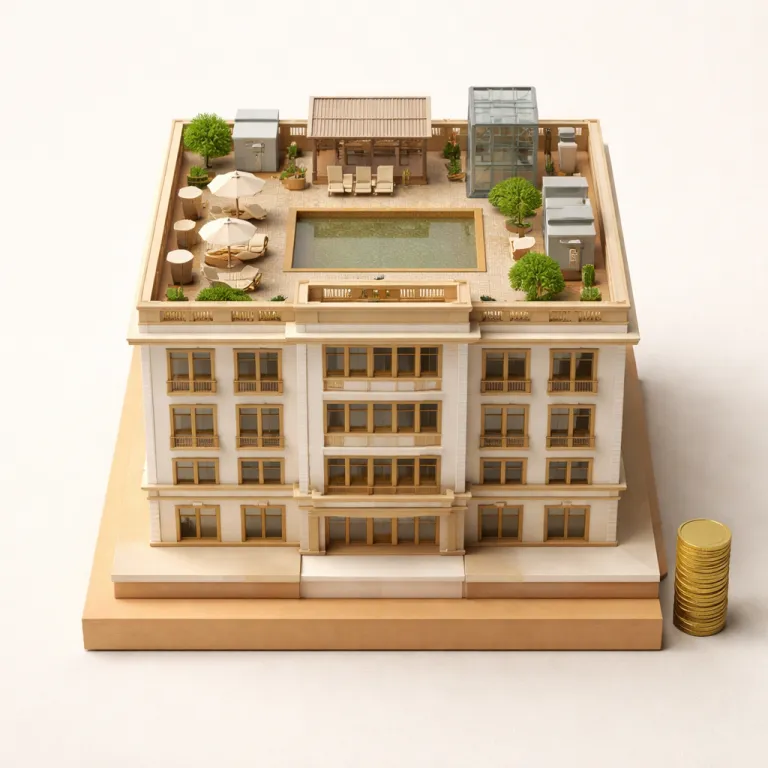
Every time you see a rooftop hotel price premium on a booking page, you are looking at the bill for building in the sky. A true rooftop is not just an extra floor; it is a reinforced platform with complex engineering, extra fire safety, wind protection and often a retractable glass roof designed so the hotel can capture year round revenue from the same elevated space. That structural work sits on top of prime land in the city center, which means the cost per square metre is already high before a single cocktail is poured.
For the solo explorer, this hidden cost stack matters because it explains why a rooftop bar cocktail can run between 15 and 22 dollars in major U.S. cities while the same drink at street level is cheaper, according to recent menu snapshots from New York and Miami hotels. Operators are not only paying for premium materials and panoramic views, they are also covering higher insurance, stricter safety inspections and specialised maintenance for pools, heating systems and glass barriers that protect the experience from wind and rain. When you see a rooftop surcharge on your room or dinner bill, you are paying for that engineering to feel invisible so the view can take centre stage.
Hotels such as TWA Hotel and Arlo Williamsburg charge explicit fees for rooftop pool access, turning the rooftop into a standalone event destination rather than a quiet guest extra. At TWA Hotel, the rooftop pool and observation deck have recently carried reservation fees around 50 dollars per person for non hotel guests, while Arlo Williamsburg has advertised day passes and packages that can reach 185 dollars per person for peak season rooftop pool access, based on publicly listed rates and press coverage at the time of writing. These examples underline a broader trend; hotels leverage rooftop spaces with reservation systems, online booking tools and concierge controlled access to generate additional revenue while promising guests a perfect skyline experience.
What you really pay for in rooftop rooms and elevated suites
When a hotel lists a rooftop level room or top floor suite, the rooftop hotel price premium is usually baked into the nightly rate rather than charged as a separate line. Those rooms often sit directly under the rooftop bar, restaurant or pool, so the property invests in extra soundproofing, vibration control and insulation to make sure you can sleep while the city parties above you. That means thicker glazing, upgraded doors and more complex mechanical systems, all of which quietly raise the cost of every square metre.
Views are the obvious driver; a corner suite facing the city skyline can command a premium of 20 to 40 percent over a similar room several floors below, according to typical rate spreads reported in hotel revenue management case studies and industry benchmarking reports. Yet the real story is how the hotel manages circulation, lifts and safety routes so guests paying for that elevated experience can enjoy fast access to the main content of the property without feeling trapped in a nightclub corridor. Extra lifts, dedicated access control and higher staffing ratios at the top level all feed into the final price you see when you skip to the rate details on a booking engine.
For travellers comparing elevated coastal stays, a property with a refined rooftop bar and terrace, such as those highlighted in curated guides to luxury rooftop hotels, often justifies higher rates through integrated experiences that combine dinner, cocktails and late night views. One example is how premium complexes with multiple restaurants and event spaces, like those profiled in in depth features on luxury rooftop hotel bookings, use their rooftops as the emotional center of the stay rather than a simple add on. In those cases, the rooftop supplement buys you a coherent narrative from check in to the last cocktail at the bar, not just a photo opportunity.
Rooftop bars, minimum spend and the price of a skyline seat
Rooftop bars are not just amenities; they are revenue engines designed to monetise every seat against the cost of the sky. When a rooftop bar sets cocktail prices between 15 and 22 dollars and imposes table minimums from 200 to well over 1,000 dollars during peak season, it is solving a throughput problem rather than simply chasing a luxury image, as hospitality trade reports on rooftop venues frequently note. There are fewer tables than at street level, service is slower because of lift logistics, and every empty chair during sunset is lost revenue the hotel can never recover.
That is why you often see minimum spend rules for prime view tables, especially when the rooftop hosts an event or DJ night that turns the space into a destination for non resident guests. A 200 dollar minimum for a two person table at the edge of the terrace is not only about the cocktails and dinner you will enjoy, it is also a signal that the hotel wants committed guests who will stay for the full experience rather than skip out after one quick drink. In this context, the rooftop hotel price premium is partly a crowd management tool that shapes who gets access to the best views.
For solo travellers, bar stools at the counter or high tops slightly away from the glass are often the sweet spot where you can feel the energy of the city without paying for a full table minimum. Guides to unforgettable party experiences at the world’s best rooftop hotels often highlight this tactic; arrive early, claim a bar seat and let the skyline perform while you order one carefully made cocktail at a time. In these moments, the extra cost becomes a fair trade between your budget and the theatre of the city unfolding below.
How to read fees, access rules and hidden rooftop charges
Not every rooftop hotel price premium is obvious at the time of booking, which is why you should always read the rate details and amenity sections carefully. Some properties fold rooftop access into a general resort fee, effectively charging every guest for a facility that only a fraction will use. Others, like TWA Hotel and Arlo Williamsburg, separate the rooftop pool or observation deck into a clear per person fee, which at least lets you decide whether to skip the experience or pay for it.
Transparency is your best ally; look for hotels that state whether rooftop access is included for in house guests, whether non residents can book via online systems, and whether there are time slots reserved for hotel guests only. A property that uses phrases such as “limited access” without explaining the rules may be signalling that the rooftop bar or restaurant is primarily an external event venue rather than a calm space for residents. When you see vague language and heavy marketing of views but no operational details, treat the rooftop hotel price premium with caution.
For solo explorers, the smartest move is to treat rooftop access like a separate product and calculate its value against your own habits. If you plan to enjoy a sunset cocktail every evening, a hotel that includes rooftop bar access in the room rate can be better value than a cheaper property that charges high cover fees. If you mostly want one skyline moment, consider staying in a well priced city center hotel and booking a single evening at a renowned rooftop, such as those in coastal towns where elevated stays and panoramic views are curated with care.
When the rooftop hotel price premium is worth it for solo travellers
For an independent traveller, the question is not whether rooftops are expensive, but whether the rooftop hotel price premium aligns with how you actually travel. If you are the kind of guest who returns late, skips long dinners and prefers one perfect cocktail with a view over a long tasting menu, then paying extra for a room directly under the rooftop may not be the best use of your budget. In that case, you might be better off in a quieter floor with occasional access to the rooftop bar as a treat.
On the other hand, if your ideal evening is to enjoy the full arc from golden hour to city lights without leaving the property, a well executed rooftop can become the emotional center of your stay. You check in, drop your bag, ride the lift to the top level and let the city unfold while the bartender calibrates a cocktail to your taste and the restaurant team guides you through a concise menu designed for the altitude. Here, the rooftop hotel price premium buys you time, safety and ease; no taxis, no navigation skip between venues, just a seamless flow from bar stool to dinner table.
Red flags appear when marketing leans heavily on the word premium but the physical experience does not match the promise. If the rooftop feels cramped, if the views are partially blocked, if resort fees hide a flat rooftop access charge and if staff seem overwhelmed by external event traffic, then the price premium is inflated rather than honest. In those cases, the most elegant move is to skip main rooftop hype, focus on the main content of your trip in the city and reserve your skyline moments for places where the altitude, the service and the bill are in better balance.
FAQ
Do all hotels charge extra for rooftop access?
No, policies vary by hotel. Some properties include rooftop access for in house guests, while others treat the rooftop bar, pool or restaurant as a separate venue with its own cover charges or reservation fees. Always check whether the rooftop hotel price premium is part of the room rate or an optional extra.
Are rooftop amenities usually included in room rates?
Often not; additional fees may apply. Many hotels position the rooftop as a destination for both guests and locals, which means they can justify separate pricing for pool passes, special events or priority view tables. Reading the rate details and amenity descriptions before you book is the best way to avoid surprises.
Can non guests visit hotel rooftops for drinks or dinner?
Some hotels allow it with reservations, especially when the rooftop bar or restaurant is designed as a standalone city venue. Others reserve access for in house guests during peak times, then open to external visitors later in the evening or outside sunset hours. If you are not staying at the hotel, always check reservation rules and any minimum spend requirements.
Why are rooftop cocktails and tables so expensive compared with street level venues?
Rooftop cocktails and tables carry higher prices because the hotel must cover construction, safety, insurance and operational costs that do not exist at ground level. There are fewer seats, more complex logistics and often year round investments such as retractable roofs and heating systems to keep the space usable in all seasons. Those structural realities are a major reason why the rooftop hotel price premium is real rather than just marketing.
How can a solo traveller get good value from a rooftop hotel?
The most effective strategy is to align your booking with how often you will actually use the rooftop. If you plan to enjoy the view every evening, paying a bit more for a hotel where rooftop access is included can be worthwhile. If you only want one skyline evening, consider a reasonably priced city center hotel and reserve a single night at a standout rooftop bar instead of paying a constant premium.