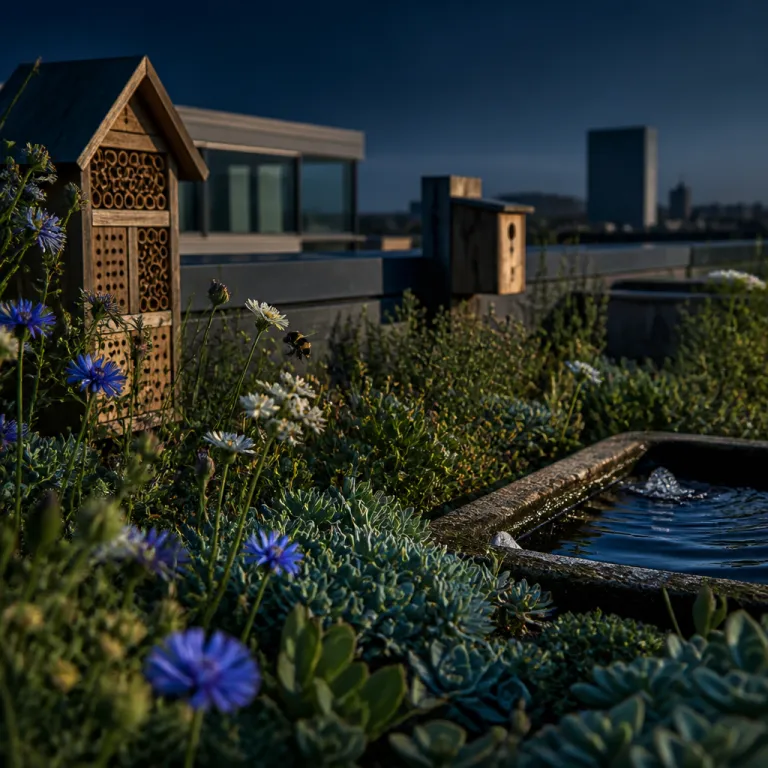
From marketing phrase to living system on the roof
A green rooftop in a biodiversity focused luxury hotel should feel alive before you even reach the top floor. When a property claims a green roof or several green roofs, you want more than a decorative strip of sedum along the edge of the building. The best roofs sustainable enough to matter turn the rooftop into a layered landscape where plants provide shade, scent, texture and a subtle shift in temperature.
On a serious project, the roof is treated as an elevated piece of urban nature rather than a styling exercise. The project team works with a landscape architect, an ecologist and the engineering équipe to balance biodiversity, stormwater management and guest experience on the rooftop. That collaboration shapes everything from the depth of the growing medium to which plant species and native plants can provide habitat and food for insects, birds and, occasionally, small mammals.
Certification bodies now help separate marketing from measurable biodiversity performance. Effinature and IRICE (Institut de Recherche et d’Innovation pour le Climat et l’Écologie), alongside international schemes such as BREEAM and LEED, assess how green roofs support biodiversity and how long term ecological goals are embedded in the building design. As one reference framework puts it, “What is a green roof?” and “How do green roofs support biodiversity?” sit alongside “What certifications exist for green roofs?” and “Why are green roofs important?” in a structure that links urban heat, water use and ecological performance.
The four tiers of green roofs you will actually meet
Not every green roof on a luxury hotel is created equal, and the tier matters for your stay. At the lightest end, an extensive green roof uses a shallow substrate and drought tolerant plants that provide visual softness but limited biodiversity, while semi intensive roofs deepen the soil to host more varied plant species and some invertebrate life. Intensive living roofs go further, creating rooftop gardens and even urban farm plots where plants provide nectar, habitat and sometimes literal food for the restaurant below.
Think of four broad tiers when you read a hotel description. An extensive sedum mat is low maintenance and good for stormwater runoff control, but it rarely provides habitat beyond hardy insects and a few pollinators; a semi intensive roof with mixed grasses and native plants can support butterflies, bees and ground nesting birds. An intensive habitat roof or urban farm, often designed by a landscape architect with a clear biodiversity brief, uses deeper soil, varied plant species and sometimes a living wall or several living walls to support a richer web of life.
For travelers who care about sustainability, the difference between a token green roof and a biodiverse system is as important as the difference between a plunge pool and a true lap pool. Quiet technical choices such as drainage layers, water retention mats and irrigation sources shape how roofs sustainable enough to last can cool the city and reduce the heat island effect. If you want to understand how these hidden systems change comfort on a terrace, the analysis of silent rooftop technology in quiet rooftop sustainability offers a useful parallel.
Substrate depth, species counts and what lives above the city
Substrate depth is the unglamorous metric that quietly defines what a green rooftop biodiversity luxury hotel can host. At around 6 to 10 centimetres, an extensive green roof supports low growing plants that provide colour and basic stormwater management but limited structural complexity for wildlife. Industry guidance from organisations such as FLL and Green Roofs for Healthy Cities uses similar bands for extensive systems, which aligns with monitoring data from European and North American projects.
Push that depth to 15 or 20 centimetres and semi intensive roofs begin to support grasses, perennials and small shrubs that provide habitat, food and nesting pockets for pollinators and ground birds. Intensive living roofs with 30 centimetres or more of soil behave like elevated parks. Here, rooftop gardens can host small trees, herb beds and even micro wetlands where water is held long term to cool the air and slow stormwater runoff into the city system. In these deeper profiles, native plants and diverse plant species create a mosaic of micro habitats, and the project team can track species counts, pollinator visits and how plants provide shade that reduces urban heat on the rooftop.
Some properties now treat biodiversity as seriously as spa design. At 1 Hotel Brooklyn Bridge, for example, post occupancy monitoring reported more than 50 plant species and regular visits from monarch butterflies and migratory birds on the roof and terraces, while Treehouse hotels and selected Six Senses urban properties use living roofs and rooftop gardens as part of wider biophilic design strategies. Publicly available case studies from municipal agencies and certifiers, including summaries of work by Green Roofs for Healthy Cities and FLL, report stormwater retention rates of roughly 50–80% on intensive roofs and measurable reductions in cooling energy demand, and for a deeper dive into how elevated greenery has reshaped luxury expectations, the essay on biophilia at altitude shows how rooftop nature moved from afterthought to central brief.
Typical green roof profiles and biodiversity potential
| Roof type | Approx. substrate depth | Typical vegetation | Indicative biodiversity |
|---|---|---|---|
| Extensive | 6–10 cm | Sedum, low herbs, mosses | Basic habitat for hardy insects and some pollinators |
| Semi intensive | 15–20 cm | Grasses, perennials, small shrubs | Improved for bees, butterflies and ground nesting birds |
| Intensive | 30+ cm | Small trees, shrubs, herb beds, micro wetlands | High structural diversity and richer species counts |
How to read biodiversity claims in hotel marketing
When you scan a hotel website, the language around the roof tells you a lot. Phrases such as “green roof” or “eco rooftop” can mean anything from a few planters to a fully engineered system of living roofs, so you need to look for specifics about plant species, native plants and how the rooftop gardens provide habitat. A credible green rooftop biodiversity luxury hotel will usually mention stormwater management, irrigation sources and collaboration with a landscape architect or ecological consultant.
Greenwashing tends to hide in vague adjectives. If a property talks about a “lush” rooftop but never states whether the green roof’s sustainable design uses rainwater harvesting, or whether plants provide nectar and habitat for pollinators, you are probably looking at a styling project rather than an ecological one. By contrast, references to Effinature, IRICE, BREEAM or LEED, or to partnerships with providers such as Sempergreen or Bauder, signal that the project team has engaged with measurable biodiversity criteria and certifier benchmarks.
Ask yourself three questions as you read. Does the hotel explain how the roof or several roofs support urban biodiversity and reduce the heat island effect in the surrounding city streets? Does it mention monitoring, such as species counts, pollinator surveys or data on reduced stormwater runoff into local drains, as seen in many municipal pilot projects and peer reviewed studies on vegetated roofs? And does it describe long term maintenance and ecological support, or only the opening moment when the rooftop looked perfect for the press release and the infinity pool photo shoot celebrated the edge more than the ecosystem, a dynamic unpacked in this analysis of rooftop spectacle?
Why real green roofs change the way a rooftop feels
For a solo traveler, the difference between a decorative rooftop and a living system is immediate. Step onto a terrace where plants provide only a visual accent and you will still feel the hard reflection of urban heat rising from the city, with sound bouncing off glass and concrete. Walk instead onto a roof where living roofs, a living wall and layered rooftop gardens frame the space, and the air feels cooler, the sound softer, the scent of soil and water subtly present.
Green roofs that provide habitat do more than tick sustainability boxes. Their soil and plants slow stormwater runoff, hold water for gradual release and create a microclimate that can make an evening drink comfortable without aggressive air conditioning, which in turn supports long term energy performance for the building. Peer reviewed studies and public agency reports consistently show that vegetated roofs reduce peak runoff and moderate rooftop surface temperatures, which translates into lower cooling loads and a more stable indoor climate.
For hotels, the business case is no longer marginal. Properly designed green roofs can last up to two times longer than conventional roofs, according to studies cited by city agencies, Green Roofs for Healthy Cities and other industry associations, which means the initial project cost is offset by durability, reduced maintenance and lower cooling loads over the durée of the roof system. For you as a guest, choosing a green rooftop biodiversity luxury hotel that works with certified partners such as Effinature, IRICE, Sempergreen or Bauder is a way to support roofs sustainable enough to matter, while enjoying a rooftop where the landscape, the city skyline and the quiet work of plants provide the real luxury.
FAQ
What is a green roof in a luxury hotel context ?
In a luxury hotel, a green roof is a rooftop planting system with live plants integrated into the building design rather than a few decorative pots. The best examples use layered soil, drainage and irrigation to support native plants, rooftop gardens and sometimes living walls that provide habitat for insects and birds. They also contribute to stormwater management, reduced urban heat and a more comfortable microclimate for guests.
How do green roofs support biodiversity in cities ?
Green roofs support biodiversity by creating elevated habitats where flora and fauna can thrive despite dense urban development. Varied plant species and structural layers provide food, shelter and nesting sites for pollinators, ground birds and other small wildlife. When multiplied across many roofs, these systems form ecological stepping stones that help reconnect fragmented nature in the city.
Which certifications indicate a serious biodiversity programme ?
Effinature and IRICE focus specifically on biodiversity and ecological performance, while broader schemes such as BREEAM and LEED also recognise high quality green roofs. When a hotel references these certifications, it signals that the project team has measured how its roof’s sustainable design supports biodiversity, stormwater management and energy performance. This is more reliable than generic claims about being green or eco friendly.
Why are green roofs important for the guest experience ?
For guests, a well designed green rooftop biodiversity luxury hotel offers cooler air, softer acoustics and a stronger sense of connection to nature. Plants provide shade, scent and visual calm, while the soil and water systems quietly regulate temperature and humidity around the rooftop. This combination makes terraces, pools and bars more comfortable and memorable, especially in hot urban climates.
Do green roofs really last longer than conventional roofs ?
Studies referenced by public agencies and industry groups indicate that high quality green roofs can last up to two times longer than conventional roofs when properly designed and maintained. The vegetation and soil protect the waterproofing layers from ultraviolet radiation and extreme temperature swings, which slows material degradation. For hotels, this extended lifespan supports a strong long term business case alongside the environmental benefits.