From hidden drains to headline act in the luxury hotel skyline
On a true rooftop water management luxury hotel terrace, rain is no longer an inconvenience. It becomes part of the narrative, shaping how the rooftop, the pool, and the view hotel experience feel when the sky opens above the city. Families arrive expecting a luxury hotel with a dramatic rooftop pool, yet the most forward thinking hotels now choreograph how every drop of water moves, cools, and returns to the hospitality industry.
Rooftop water management in luxury hotels has shifted from basic stormwater management to a layered system of storage, treatment, and reuse. Architects and environmental engineers work with manufacturers such as LiveRoof, Wavin, and Sempergreen to integrate blue green roofs that retain rainwater and slow its journey to municipal water networks. These systems are designed to capture, store, and manage rainwater on rooftops so that they reduce urban flooding, conserve water resources, and enhance building sustainability for hotels and hotels resorts in dense districts.
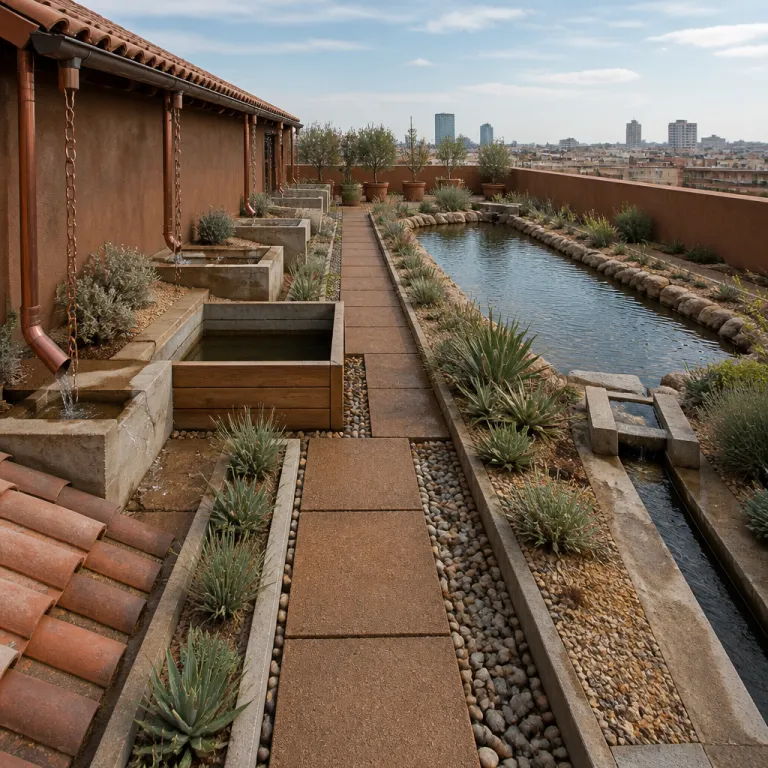
Families booking a rooftop water management luxury hotel in a monsoon or storm prone city now encounter visible hardware that once hid behind service doors. Rain chains guide water from the rooftop to a collection tank with a sculptural grace that children instinctively follow with their eyes. Channeled cobblestone gutters, sculpted scupper drains, and integrated cisterns turn rainwater collection into a quiet performance that plays out between the infinity pool edge and the cooling tower enclosure.
The hardware: rain chains, cisterns, and pools that speak the language of storms
Look closely at a serious rooftop water management luxury hotel during a downpour and the hardware tells you everything. Rainwater does not simply vanish into a hidden pipe ; it moves along a deliberate design, from rain chains to stone runnels, before reaching a concealed tank or cistern. In coastal city markets such as Split or storm exposed Asian capitals, this choreography matters as much as the rooftop pool layout or the positioning of the infinity pool for sunset.
Some of the most advanced systems borrow from blue roof engineering, where water is temporarily stored on the rooftop to ease pressure on municipal water infrastructure. LiveRoof’s RoofBlue RETAIN modules, for example, can hold more than one gallon of water per square foot, which allows hotels to stage water management as both spectacle and sustainability measure. Wavin’s PolderRoof and Sempergreen’s blue green roofs add smart controls and vegetation, so that rainwater harvesting becomes a visible part of the rooftop identity rather than a hidden utility for back of house cooling towers.
Families comparing hotels resorts along the Adriatic or in tropical Asia can already see this shift in property photography. A rooftop water management luxury hotel that takes the subject seriously will show rainwater channels, collection tank details, or sculpted overflow edges near the rooftop pool, not just loungers and cocktails. When planning a family stay in Split, for instance, you can use a curated guide to luxury stays by the Adriatic to cross reference which hotel integrates water management into its rooftop design and which still treats water as a problem to be hidden.
From drainage to design: how rainwater becomes biophilic theatre
The most compelling rooftop water management luxury hotel projects treat rain as a design partner. Instead of burying every system, they frame rainwater as a seasonal guest that animates the rooftop, from the shallow channels beside the rooftop pool to the planted beds that drink from hidden tanks. A blue green roof above a luxury hotel suite can host butterflies, birds, and pollinators, turning what was once dead space into a living canopy for families exploring the city below.
Biophilic design on rooftops often starts with simple water features that double as stormwater management tools. Shallow rills fed by rainwater harvesting systems can slow runoff while creating a soft soundtrack between the bar and the infinity pool, and planted wetlands can pre filter water before it reaches a treatment unit or collection tank. Manufacturers such as Sempergreen work with architects, urban planners, and hospitality industry leaders to combine vegetation with water storage so that rainwater management supports biodiversity and guest experience at the same time.
Urban regulations are pushing this evolution, but the best rooftops go beyond compliance and turn water into theatre. Families notice when a rooftop water management luxury hotel uses transparent channels where children can watch water move from the rooftop to a lower tank, or when rain chains terminate in a shallow basin that attracts birds after a storm. For a deeper look at how planting and water interact at height, you can explore a dedicated perspective on how rooftop gardens changed the luxury hotel brief and see how water, soil, and skyline now work together.
Behind the scenes: cooling towers, toilets, and the quiet work of reuse
What guests rarely see in a rooftop water management luxury hotel is where the water goes after the performance. Beneath the deck, a network of systems moves rainwater from the rooftop to storage, treatment, and then to practical uses such as cooling tower makeup or toilet flushing in guest rooms. This backstage choreography is where sustainability claims either hold up under scrutiny or collapse into greenwashing.
Rainwater harvesting on a hotel rooftop typically starts with pre filtration at the surface, then flows into a collection tank sized for both stormwater management and operational reuse. Smart systems can direct cleaner water toward cooling towers, where it reduces reliance on municipal water, while other volumes are treated for non potable uses such as toilet flushing or irrigation of rooftop planting. Water departments in many city jurisdictions now encourage or even require such integrated water management, and the hospitality industry is responding with infrastructure that is both cost effective and visually discreet.
Manufacturers and data driven operators are refining these systems with Internet of Things controls and real time monitoring. One documented example shows that a smart rooftop water management system can reduce peak stormwater flow by around thirty percent, easing pressure on city drains during intense storms. In parallel, RoofBlue RETAIN modules demonstrate that each square foot of rooftop can hold more than a gallon of water, which means a large luxury hotel can temporarily store thousands of litres above the street while still presenting a serene rooftop pool to guests.
How to read a rooftop: choosing the right water wise family stay
For families booking a rooftop water management luxury hotel, the difference between marketing and substance often reveals itself in the details. A property that treats water as a mere utility will show a rooftop pool, perhaps an infinity pool, but no visible channels, rain chains, or planted basins that hint at stormwater management. In contrast, a hotel that treats water as narrative will frame rainwater features in photography and describe how its systems support sustainability and guest experience.
Start by scanning rooftop images for evidence of design that anticipates heavy rain rather than fears it. Look for sculpted scupper drains, channeled stone gutters, or glass sided runnels that guide rainwater toward a collection tank, and note whether planted areas appear deep enough to function as part of a blue green roof system. When a luxury hotel mentions using harvested rainwater for cooling tower makeup, irrigation, or toilet flushing, it signals that rooftop water management is integrated into the building rather than added as an afterthought.
Some properties, such as Hotel Zena in Washington DC or sustainability focused resorts in the Soneva and Six Senses portfolios, openly discuss how their rooftops manage rainwater and reduce demand on municipal water supplies. Others, including certain Aman properties in tropical Asia and coastal retreats like Villa Franca in Positano, use topography and stepped rooftop design to slow runoff while preserving uninterrupted sea views. As you compare hotels resorts, it is worth reading beyond the pool description and into how the property talks about water management, then pairing that insight with a guide to how rooftop reservations changed luxury hotel revenue to understand how cabanas, pools, and water systems now work together.
FAQ
What is a blue roof and why does it matter for hotels ?
A blue roof is designed to store rainwater temporarily to manage stormwater. In a rooftop water management luxury hotel, blue roof elements help slow runoff during intense storms, which reduces pressure on city drainage systems. This storage capacity also creates opportunities to reuse water for cooling towers, irrigation, or other non potable needs.
How do green roofs help in water management on luxury properties ?
Green roofs absorb rainwater, reducing runoff and promoting evapotranspiration. When combined with blue roof storage, they form blue green systems that both retain water and support vegetation on top of hotels. For families, this means cooler rooftop spaces, more planting, and a visible commitment to sustainability above the city.
What are the main benefits of rooftop water management systems for guests ?
Rooftop water management systems reduce flooding risks around the hotel, conserve water, and enhance building sustainability. Guests experience this through more resilient rooftop pools, lush planting that stays green through dry spells, and often cooler microclimates on terraces. These systems designed to capture, store, and manage rainwater on rooftops also support quieter, more stable operations during heavy weather.
How can I tell if a hotel is serious about rainwater harvesting ?
Look for clear explanations of how the property captures and reuses rainwater, not just generic sustainability language. Visible features such as rain chains, planted basins, and discreet access covers for collection tanks often indicate a real system behind the scenes. When a hotel mentions using harvested rainwater for cooling tower makeup or toilet flushing, it usually reflects a deeper investment in water management.
Do rooftop water systems affect the safety of pools and terraces ?
Properly designed rooftop water management systems improve safety by preventing water from pooling where guests walk or lounge. By directing rainwater into controlled channels and storage, they reduce slip risks and structural stress during storms. For families, this means that even during heavy rain, the rooftop pool and terrace remain well drained, stable, and ready to reopen quickly once the weather clears.
References
LiveRoof technical documentation on RoofBlue RETAIN modules.
Wavin PolderRoof and smart rooftop water storage materials.
Sempergreen blue green roof case studies for urban hospitality projects.