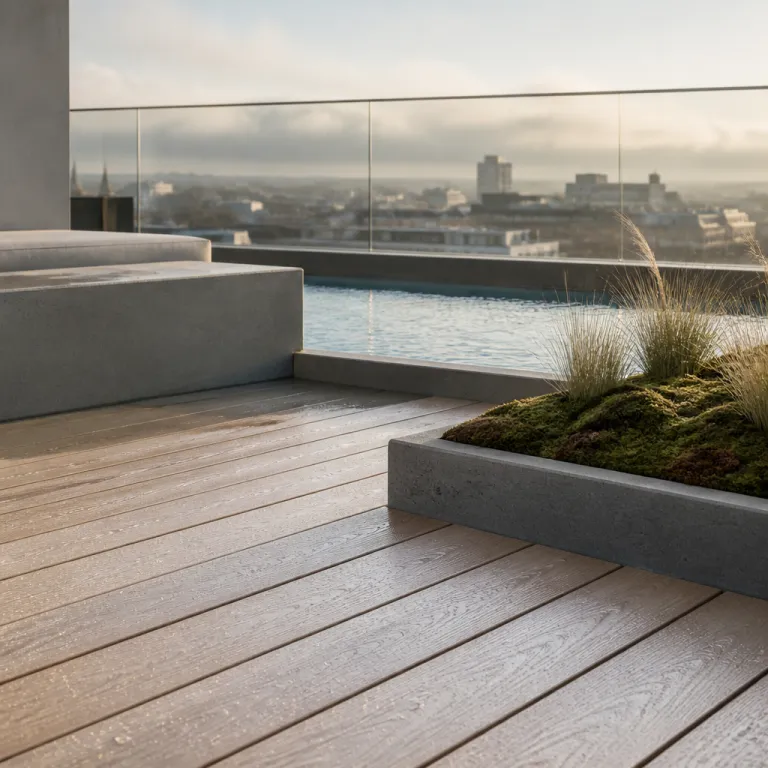
Why the best rooftop wellness needs more sky than spa
A serious rooftop wellness programme in a luxury hotel starts with altitude, not equipment. When a hotel treats its roof as a sanctuary rather than a leftover pool deck, the skyline itself becomes the main asset for every wellness retreat. On a clear evening, the simple act of walking onto a rooftop with an open view can feel more restorative than any scented hotel spa corridor.
Across luxury hotels in France, Mexico, Mallorca and Kuala Lumpur, the most interesting wellness experience now happens above the highest rooms, not beside the basement pool spa. These properties understand that daylight, wind and expansive views change how the nervous system responds to movement and stillness, so they design spa wellness sessions that lean into the sky rather than hide from it. For solo adults who travel to reset, a rooftop wellness programme in a luxury hotel can be the deciding factor when they check dates and compare availability across several hotels.
Rooftop wellness programmes are not a trend invented by marketing teams; they are part of a broader urban wellness movement that uses underutilised roofs for health. Real-world pioneers include Traverse Fitness in Denver, which offers simulated altitude training reportedly up to around 20,000 feet in controlled rooms, and Vital Climbing Gym in Brooklyn, where rooftop bouldering turns the city into a vertical playground. As one expert summary from the fitness industry puts it with disarming clarity, “What is rooftop wellness? Fitness activities conducted on building rooftops.”
For travellers, the implication is simple yet powerful. When you evaluate any hotel spa or resort spa, ask how much of the wellness experience happens under open sky and how much hides behind closed doors. A rooftop that hosts a daily schedule of yoga, breathwork and walking meditation can deliver more meaningful wellness than a larger indoor spa with no rooftop pool, no horizon and no sense of community.
From Park Hyatt Tokyo to Santa Monica: programmes before cabins
The most convincing rooftop wellness programme luxury hotel properties did not wait for marble treatment rooms before they started. Park Hyatt Tokyo, which opened in 1994 with its fitness and pool facilities on the upper floors, long before wellness became a marketing headline, used its height to host early morning movement sessions where guests watched the city wake beneath them. That same philosophy now appears in coastal addresses from Santa Monica to Playa del Carmen, where the roof becomes a daily ritual ground rather than a once-per-stay photo stop.
In Santa Monica, the property Santa Monica Proper Hotel has become a reference point for solo travellers who choose their hotel based on rooftop programming first and room adults categories second. Here, the rooftop pool deck doubles as a studio for slow-flow yoga at sunrise and sound baths at dusk, proving that a few mats, a good teacher and a clear view can rival a far larger hotel spa downstairs. When you check dates on a booking site, you will often see that these sessions are described as limited-capacity and bookable in advance, typically capped at around a dozen guests and filling as quickly as the most attractive rooms with wellness rooms labels.
On the other side of the Pacific, urban luxury hotels in Kuala Lumpur and across wider Malaysia are experimenting with similar formats. Some pair a compact rooftop pool with guided breathwork, using the city’s humidity and shifting clouds as part of the sensory script for each wellness retreat. Before you commit to any resort spa or city hotel, look for a published weekly rooftop schedule rather than vague on-demand offers that only materialise if enough guests sign up.
Rooftop wellness programmes extend beyond hotels too. The Restoration Hotel in Charleston runs a rooftop wellness series that shows how a modest roof, a committed spa wellness team and a loyal community can outperform larger properties with underused infinity pool terraces. If you want to go deeper into hydrotherapy and steam rituals that complement open-air practice, study guides to refined wellness stays with steam rooms and hydrotherapy, which explain how water-based circuits can frame your time between rooftop sessions.
Biophilic altitude: how light, wind and horizon reshape recovery
Biophilic design is the quiet engine behind every memorable rooftop wellness experience. When a luxury hotel lifts its wellness rooms, yoga decks and meditation circles into open air, it taps into the human preference for natural light, moving air and long sightlines. The result is a nervous system that downshifts more quickly, even when the hotel stands in the centre of a dense city.
Daylight on a rooftop pool or pool spa terrace does more than improve your tan; it helps regulate circadian rhythms, which is crucial for solo travellers crossing time zones to France, Mallorca Spain or Calistoga, California. Research on light exposure and sleep suggests that bright morning light can help reset internal clocks within a few days, which is exactly what a well-timed rooftop class can provide. Wind across a rooftop pool deck adds a subtle cooling stimulus that helps the body manage effort during sunrise yoga or gentle strength work, especially in warm destinations like Mexico or Playa del Carmen. Expansive views over the city or sea give the brain a sense of spatial freedom that no windowed hotel spa can fully replicate, however well designed its rooms may be.
This is why some of the most persuasive wellness offers focus on programmed elevation rather than built infrastructure. A rooftop wellness programme in a luxury hotel that schedules yin yoga at sunset, breathwork at dawn and walking meditation around the perimeter can deliver measurable benefits with almost no equipment. A typical day might include a 7:00 a.m. breathwork class, a mid-morning mobility session and a 6:30 p.m. restorative practice, each limited to small groups so instructors can adjust pacing and intensity. For a deeper dive into why height matters so much, analyses of why a rooftop spa cabin works where a basement one does not show how even identical treatments feel different when the horizon is visible.
Altitude training facilities such as Traverse Fitness demonstrate another layer of this principle. Their controlled high-altitude rooms, which can improve performance by several percentage points according to sports training literature, echo what happens more gently when you move through a sequence on a high roof in thin, clean air. When luxury hotels in Kuala Lumpur, Santa Monica or Mallorca borrow these ideas, they create spa wellness experiences that feel both contemporary and grounded in physiology rather than trend language.
Formats that work on a roof: from dawn breathwork to night sound baths
Not every wellness format thrives on a rooftop, and that is precisely the point. The best rooftop wellness programme luxury hotel teams curate a small set of practices that use altitude as an active ingredient rather than a backdrop. For solo adults, this curation matters more than the length of the spa menu or the number of treatment rooms hidden inside the hotel.
Sunrise breathwork is often the anchor, especially in cities where the skyline glows before the streets fill. On a still morning above Kuala Lumpur or over the bay in Santa Monica, structured breathing sequences help guests sync with the new time zone while the city slowly sharpens below. Yin yoga at sunset then uses the cooling air over the rooftop pool to lengthen exhalations and soften muscles that have spent the day exploring the city or swimming slow laps in the infinity pool.
Walking meditation works beautifully on roofs with a clear perimeter path. In France or Mallorca Spain, some luxury hotels invite guests to circle the rooftop pool deck barefoot, using each corner to shift attention from breath to sound to distant view. Sound baths, meanwhile, turn the rooftop into an acoustic chamber where bowls and chimes mingle with the low hum of the city, creating a spa wellness effect without a single massage table.
These formats demand very little kit. A few mats, blankets and a thoughtful teacher can transform even a compact hotel spa terrace into a serious wellness retreat space, especially when the schedule is consistent and clearly communicated. One instructor in Playa del Carmen describes the goal as “giving guests a reliable rhythm in the sky,” with regulars returning to the same dawn class each day of their stay. For travellers who care as much about a hotel’s rooftop community as its wine list, guides to reading the rooftop wine list when the cellar follows you up the building show how evening tastings can sit comfortably alongside earlier wellness sessions without diluting either experience.
How to read a rooftop schedule like an insider traveller
When you compare luxury hotels online, the spa section can look impressive while saying very little. To understand whether a rooftop wellness programme luxury hotel is serious, you need to read beyond the adjectives and into the structure of its offers. The difference between a published weekly rooftop schedule and vague on-request sessions tells you almost everything about the property’s priorities.
Start with the basics before you check dates and room categories. Does the hotel list specific times for sunrise yoga, breathwork, walking meditation or sound baths on the rooftop pool deck, or does it simply mention that wellness experiences are available upon enquiry? A clear timetable, ideally with named teachers and approximate class sizes, signals that the rooftop is treated as a core amenity rather than a rentable event space that occasionally hosts a class beside the pool.
Next, look at how the rooftop integrates with the rest of the hotel spa or resort spa. In destinations like Calistoga, California, Mallorca or Playa del Carmen, some properties route guests from a ground-level pool spa circuit up to a quieter rooftop for post-treatment integration, using the change in altitude as part of the ritual. In dense city centres from Kuala Lumpur to Santa Monica, the most thoughtful hotels reserve certain rooftop wellness sessions for small groups of adults, ensuring that room adults categories align with the atmosphere on the roof.
Finally, pay attention to language around community and accessibility. A strong programme will reference small group classes, regulars and local partnerships with instructors, echoing the way Vital Climbing Gym and The Restoration Hotel have built loyal rooftop communities. When you see this, you are not just booking rooms with a good view; you are entering a living rooftop culture where wellness is practised, not merely advertised.
FAQ
What is rooftop wellness in a hotel context?
Rooftop wellness in a hotel context refers to fitness and relaxation activities conducted on the roof of the property, often using minimal equipment and maximum exposure to light, air and expansive views. Typical formats include yoga, breathwork, meditation and sometimes light strength work or sound baths. These sessions usually complement, rather than replace, traditional indoor spa facilities.
Are rooftop wellness programmes as effective as traditional spa treatments?
Rooftop wellness programmes can be highly effective, especially for stress reduction, sleep support and jet lag recovery. Exposure to natural light and fresh air on a roof often accelerates relaxation compared with enclosed spa rooms, while guided movement and breathwork provide structured benefits. Many travellers now choose a hotel where rooftop sessions are the main wellness experience, using indoor treatments as an optional extra.
Do I need special equipment or clothing for rooftop fitness classes?
Most rooftop wellness sessions require only comfortable clothing suitable for stretching and light movement. Hotels usually provide mats and any small props needed, so you rarely need to pack extra gear beyond standard activewear. General advice for rooftop fitness includes checking schedules in advance, wearing appropriate attire and staying hydrated throughout the session.
How can I tell if a hotel takes rooftop wellness seriously before booking?
The clearest sign is a detailed, regularly updated schedule of rooftop classes published on the hotel’s website or booking pages. Look for specific times, formats and teacher names rather than generic mentions of available wellness on request. You can also contact the property directly to ask about class frequency, maximum group size and whether sessions run year-round or only in peak season.
Are rooftop wellness programmes suitable for solo travellers?
Rooftop wellness programmes are particularly well suited to solo travellers, because they offer structured social contact without pressure. Small group classes on a roof create a gentle sense of community while still allowing you to move at your own pace. Many solo guests now prioritise hotels where the rooftop schedule is strong enough to shape the rhythm of their entire stay.